Raising Cane’s vs Wingstop – Which Chain Rules the Chicken Game?
Choosing between Raising Cane’s vs Wingstop can feel like picking sides in a family debate. Both brands built cult followings through social media hashtags and mukbang videos, and both serve fried chicken with a loyal fan base. Yet their approaches differ, Raising Cane’s keeps a simple menu of chicken fingers, fries, toast and its signature sauce, while Wingstop celebrates flavor variety with bone‑in and boneless wings tossed in dozens of sauces.
This article walks you through their origins, menu variety, preparation methods, prices, nutrition and value so you can decide which chain suits your tastes.
Origins and Growth
Raising Cane’s began in 1996 in Baton Rouge, Louisiana. Founder Todd Graves built the concept around chicken finger combos: crinkle‑cut fries, Texas toast, coleslaw and Cane’s sauce. The chain has grown steadily; by March 2026 it operated about 953 U.S. restaurants across 33 states. The limited menu means managers focus on execution and speed.
Wingstop’s story dates to 1994 in Garland, Texas. The company positions itself as a “flavor business.” Its corporate overview notes that the brand hand sauces and tosses classic and boneless wings, tenders and chicken sandwiches in 12 bold flavors, served alongside seasoned fries and house‑made ranch and bleu cheese dips. Wingstop now boasts about 3,056 global locations in 17 markets, highlighting aggressive expansion and international appeal.
Menu Variety and Flavors
Raising Cane’s focuses on simplicity
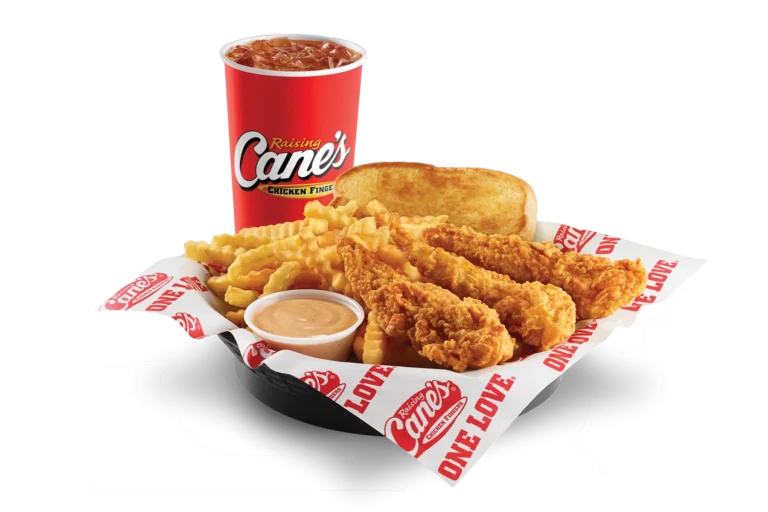
A key difference lies in menu complexity. Raising Cane’s specialises in chicken fingers. The Purple Tide review notes that Cane’s has “five different combos containing tenders, fries and sandwiches with a side of Texas toast, coleslaw and Cane’s sauce”. There are no wings, wraps or salads just different portions of the same ingredients. Fans appreciate the predictability, but critics say it lacks variety and new flavours.
Wingstop offers a flavour playground
Wingstop markets itself as a flavour expert. The investor site explains that the chain serves classic and boneless wings, hand‑sauced and tossed in customers’ choice of twelve distinctive flavours, alongside tenders and chicken sandwiches. The Purple Tide reviewer emphasised that Wingstop’s boneless meal deal feeds two to three people with 20 boneless wings in up to four flavours plus a large fry and two dips for US$19.71. Popular flavours such as garlic Parmesan, mild and mango habanero provide sweet, spicy and buttery profiles. This variety appeals to groups who enjoy sampling multiple sauces.
Chicken Quality and Preparation
Raising Cane’s technique
Cane’s differentiates itself by focusing on quality. Company statements and interviews (used in previous analyses) explain that the brand uses breast tenderloins, brines them for 24 hours and hand‑batters each piece to order. The chicken is then fried and served within minutes, ensuring a crispy exterior and juicy interior—an approach praised by critics and ranking lists. The Purple Tide review described the chicken fingers as “fried to perfection while being juicy and tender” but noted that the tenders could be overly salty and that the chain relies on its creamy and tangy Cane’s sauce. Raising Cane’s does not offer spicy or flavored breading; instead, diners adjust flavour by dipping in the sauce.
Wingstop’s wings
Wingstop emphasises customization. According to the corporate overview, the brand cooks its wings to order and hand sauces and tosses them in flavours ranging from mild to atomic heat. The Purple Tide reviewer found the garlic Parmesan wings buttery and well‑seasoned, the mild flavour comparable to buffalo and crisp despite being sauced, and the mango habanero sweet but extremely hot. However, the reviewer noted that plain wings were dry and lacked crispness. Wingstop’s boneless wings are essentially breaded chicken bites; they provide more meat but also more breading and calories.
Sides, Sauces and Extras
Cane’s minimal sides and signature sauce
Raising Cane’s sides include crinkle‑cut fries, Texas toast and coleslaw. The Purple Tide writer said the fries were crispy yet salty and that the Texas toast was perfectly buttered. The coleslaw adds a tangy crunch, and the Cane’s sauce—made from mayonnaise, ketchup, Worcestershire sauce and spices—is the chain’s calling card. The reviewer called the sauce the “main positive” because its creamy and tangy flavour brought the salty tenders and toast together. Cane’s offers no other sauces.
Wingstop’s sides and sauces
Wingstop’s menu includes seasoned fries, cheese fries, Cajun fries, veggie sticks, corn and dips. Its flavor lineup features classic sauces such as Original Hot, Lemon Pepper, Garlic Parmesan, Mild, Mango Habanero and more. The investor overview notes that the brand provides house‑made ranch and bleu cheese dips alongside its wings and tenders. With up to twelve sauces and several rubs, customers can customize each wing order. This variety is a stark contrast to Cane’s single sauce.
Pricing and Value
Price plays a significant role in choosing a fast‑food chain. At Wingstop, the boneless meal deal with 20 boneless wings, a large fry and two dips costs about $19.71 and feeds two to three people. The variety of flavors and the large portion size provide value for groups.
Raising Cane’s box combo comes with four chicken fingers, fries, Texas toast, coleslaw and one Cane’s sauce for about $12.82. While more affordable, the portion is smaller and there is only one flavor option. The reviewer concluded that Cane’s meals were “overly hyped” and that the sauce was the best part, leading them to prefer Wingstop’s variety and portion size.
Nutrition Comparison
Nutritional transparency helps diners make informed choices. Raising Cane’s official nutrition guide reports that the Box Combo contains about 1,250 calories and 97 g of carbohydrates. The 3‑Finger Combo supplies around 1,020 calories and 81 g of carbs. A single chicken finger delivers 130 calories and 5 g of carbohydrates, while a serving of crinkle‑cut fries adds roughly 390 calories and 49 g of carbs. Cane’s sauce contributes 190 calories and 6 g of carbs.
Wingstop’s nutrition data, based on the 2026 Wingstop Nutrition Menu, shows that classic bone‑in wings (6 pieces) contain about 430 calories and 38 g of protein. Boneless wings (6 pieces) pack roughly 520 calories with 28 g of protein and roughly 50 g of carbohydrates because of the breading. Chicken tenders (3 pieces) clock in at 420 calories, while seasoned fries add about 390 calories.
Nutrition comparison of common orders
| Item & portion (approx.) | Chain | Calories | Carbohydrates (g) | Notes |
|---|---|---|---|---|
| Box Combo (4 fingers, fries, toast, coleslaw, sauce) | Raising Cane’s | ≈1,250 cal | ≈97 g carbs | High calories and carbs due to fries and toast. |
| 3‑Finger Combo (3 fingers, fries, toast, sauce) | Raising Cane’s | ≈1,020 cal | ≈81 g carbs | Removing a finger and coleslaw reduces calories and carbs. |
| Single chicken finger | Raising Cane’s | 130 cal | 5 g carbs | Lean protein option but typically sold in combos. |
| Crinkle‑cut fries (regular) | Raising Cane’s | 390 cal | 49 g carbs | Largest carb source in Cane’s meals. |
| Classic wings (6 pcs) | Wingstop | ≈430 cal | ≈10 g carbs (dry rub; sauces can add 10‑20 cal) | Bone‑in wings are lower in carbs. |
| Boneless wings (6 pcs) | Wingstop | ≈520 cal | ≈50 g carbs (due to breading) | Higher carbs and calories. |
| Chicken tenders (3 pcs) | Wingstop | ≈420 cal | ≈42 g carbs (battered) | Similar to Cane’s chicken but available in multiple flavors. |
| Seasoned fries | Wingstop | ≈390 cal | ≈50 g carbs | Comparable to Cane’s fries but heavily seasoned. |
These values show that Wingstop’s classic wings can be a lower‑carb choice than Cane’s combos, whereas Wingstop’s boneless wings and fries rival Cane’s meals in calories and carbs.
Customer Experience and Atmosphere
Raising Cane’s restaurants typically feature bright red interiors, open kitchens and friendly crews who greet diners with “Cane’s love.” The simple menu allows for quick ordering and fast drive‑thru service. Most locations open around 10 a.m. and close between 10 p.m. and midnight; they serve the same menu all day and remain open daily. This consistency attracts customers seeking a quick and predictable meal.
Wingstop stores have a sports‑bar vibe with neon signage. Orders are often for take‑out or delivery rather than drive‑thru, and customers may wait longer because wings are cooked to order. However, the trade‑off is fresher wings and the ability to customize sauces. The Purple Tide reviewer enjoyed Wingstop as a place to eat with family and friends and noted that it’s great for game days.
Health and Ordering Tips
If you’re watching calories or carbohydrates, both chains require thoughtful ordering. A few strategies:
- Choose bone‑in wings or naked tenders at Wingstop. Classic wings have roughly 10 g of carbs per six pieces, whereas boneless wings pack around 50 g of carbs. Opt for dry rubs or lighter sauces to keep sugar and calorie counts low.
- Swap sides at Raising Cane’s. Replacing fries with coleslaw reduces the carbohydrate and calorie load; the nutrition guide shows that switching to coleslaw in a combo can drop calories from 1,020 cal to around 730 and cut carbs from 81 g to 43 g.
- Skip the toast and limit sauces. Texas toast adds about 23 g of carbs and Cane’s sauce adds 190 calories. Ordering without toast or using less sauce trims calories.
- Practice portion control. The CDC notes that restaurant portions have grown in recent decades and suggests splitting an entrée or saving half for later. Raising Cane’s combos and Wingstop meal deals can easily feed two people.
- Balance meals with fruits and vegetables. The CDC encourages a healthy eating pattern rich in fruits, vegetables, lean proteins and whole grains while limiting saturated fats, sodium and added sugars. Pair your chicken meal with a side salad at Wingstop or fresh fruit at home to add fiber and nutrients.
Which Chain Is Better?
Determining the winner of the Raising Cane’s vs Wingstop showdown depends on what you value most:
- Flavor variety: Wingstop wins with its twelve signature sauces and ability to mix and match flavors. If you enjoy experimenting with garlic Parmesan one day and mango habanero the next, Wingstop is your spot.
- Simplicity and consistency: Raising Cane’s appeals to those who crave comfort food and love its signature sauce. The simple menu ensures consistent quality across locations.
- Portion size and price: Wingstop’s meal deals feed multiple people but cost more overall. Cane’s combos are cheaper but smaller.
- Nutrition: Wingstop’s classic wings are a lower‑carb option, while Cane’s offers lean chicken fingers but pairs them with carb‑heavy sides. Both chains require moderation.
Ultimately, there is no absolute winner—just personal preference. If you’re craving crispy chicken tenders with a creamy sauce, Raising Cane’s will hit the spot. If you want bold flavors, saucy wings and plenty of dipping options, Wingstop will satisfy your cravings. Either way, enjoy responsibly and savor the flavors.
Frequently Asked Questions
Wingstop’s menu includes classic sauces like Original Hot, Lemon Pepper, Garlic Parmesan, Mild, Mango Habanero, Spicy Korean Q, Cajun and more. The brand touts twelve bold flavors that can be applied to wings, boneless wings or tenders.
No. Cane’s keeps its menu simple, offering chicken fingers, crinkle‑cut fries, Texas toast, coleslaw and its signature Cane’s sauce. The Purple Tide review notes that Cane’s has just “five different combos” built from these items.
Wingstop operates 3,056 global restaurants in 17 markets, whereas Raising Cane’s has about 953 U.S. restaurants. Wingstop’s greater presence reflects its rapid international growth.
Yes. Wingstop’s classic bone‑in wings have about 430 calories and 10 g of carbs per six‑piece serving, while boneless wings of the same size reach 520 calories and 50 g of carbs. Choosing bone‑in wings and dry rubs reduces carbohydrate intake.
Ask for extra coleslaw or substitute coleslaw for fries to reduce calories and carbs; the nutrition guide shows this swap cuts carb counts by more than 30 g. You can also forgo the Texas toast and limit sauce portions to trim calories. Finally, split combo meals or save half for later to avoid overeating.
Conclusion
The Raising Cane’s vs Wingstop debate comes down to personal taste. Wingstop excels in variety and bold flavors, offering wings, tenders, sandwiches and numerous sauces. Raising Cane’s sticks to what it knows best—crispy chicken fingers with its iconic sauce and hearty sides. When choosing your next chicken fix, consider your flavor preferences, nutritional goals and appetite. Whether you lean towards Wingstop’s mango habanero wings or Cane’s classic tender combo, enjoy your meal with moderation and savor every bite. Check Raising Cane’s vs Popeyes