Raising Cane’s vs KFC: The Ultimate Chicken Showdown
Fans of fried chicken love to argue about which chain reigns supreme. Raising Cane’s and KFC both enjoy huge followings, but they take very different paths to crispy chicken bliss. One focuses on a handful of well‑crafted items; the other offers a sprawling menu and decades of tradition.
This guide compares taste, nutrition, pricing, popularity and service to help you decide which brand fits your cravings.
Taste and Quality
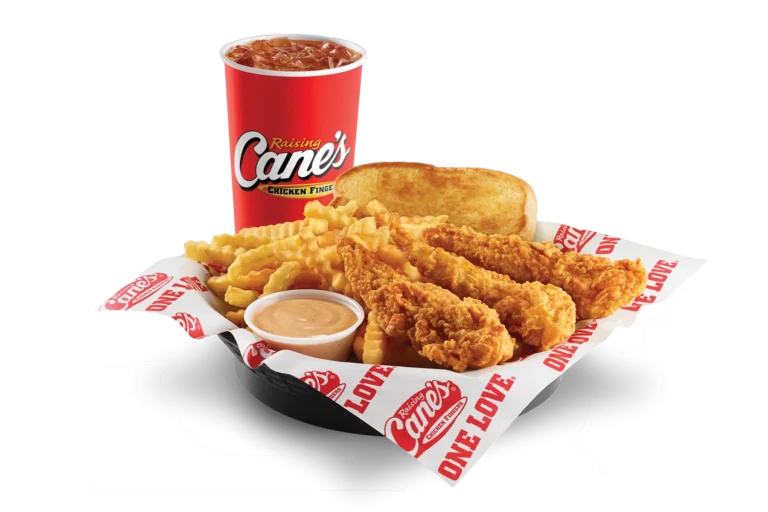
Raising Cane’s prides itself on freshness. Its chicken fingers are marinated tenderloins hand breaded and fried to order, producing meat that stays moist and pulls apart easily. The flavor is subtle and savory, letting the natural taste come through. For many fans, that tenderness makes Cane’s feel closer to home cooking than fast food.
KFC takes a different approach. The chain’s Original Recipe Tenders, relaunched in late 2024, are seasoned with a complex blend of herbs and spices, delivering a peppery kick with each bite. This bold seasoning appeals to diners who like strong flavors but can mask the meat’s natural taste. KFC tenders are also firmer; reviewers often note that they feel less tender than Cane’s.
A crucial part of both meals is the sauce. Cane’s serves its namesake sauce exclusively with its tenders. Creamy, tangy and slightly spicy, it complements the chicken without overpowering it. KFC offers a variety of dips, including Comeback Sauce, honey mustard and buffalo ranch. While choice is appealing, some of KFC’s sauces taste oily or dull, and many people consider Cane’s signature sauce superior.
Breaded texture and portion size also influence the eating experience. Cane’s coats its fingers with a thick, craggy breading that delivers satisfying crunch, and each finger is relatively wide. KFC’s breading is thinner and uniformly crisp with flecks of pepper. Its tenders are narrower but sold in more package sizes. Cane’s offers bigger pieces, while KFC offers more quantity options.
Nutrition and Health
Nutrition information shows that a Cane’s finger contains about 130 calories and 190 milligrams of sodium, while a KFC tender packs roughly 170 calories and over 400 milligrams of sodium. Cane’s chicken also has fewer carbs and slightly more protein. Neither meal is diet food, yet diners watching salt or carbohydrates will find Cane’s fingers a bit kinder on the numbers. Because Cane’s hand breads each tender to order, it avoids some of the added sodium found in pre‑breaded products.
Menu Variety and Customization
Raising Cane’s was built on the idea of doing one thing exceptionally well. Its core menu features chicken fingers, fries, Texas toast, coleslaw and Cane’s Sauce. This simplicity keeps preparation quick and consistent, but diners won’t find salads, burgers or other proteins.
KFC, by contrast, boasts a broad menu. Beyond tenders, it serves bone‑in chicken, sandwiches, wraps, bowls, biscuits, mashed potatoes, mac and cheese and seasonal specials. The variety lets diners tailor meals with different sides and sauces or feed a group with large boxes. This flexibility appeals to people who like to switch things up, though it can slow service and shift focus away from the core product.
Price and Value
Raising Cane’s prices reflect its focus on quality and portion size. A three‑finger combo costs about $9.99, a four‑finger box around $11.59 and a six‑finger Caniac Combo approximately $16.85. Individual fingers run about $1.80 each. These combos include fries, Texas toast, coleslaw and a drink, giving diners a well‑rounded meal.
KFC’s pricing is slightly lower. A three‑tender combo runs around $9.49, a four‑tender combo costs about $11.49 and a five‑tender meal is roughly $12.99. Single tenders cost about $2.49 each, and larger boxes feed groups for $18 to $33. The lower sticker price comes with simpler sides; tender combos usually include fries, a biscuit and a drink. Cane’s offers more food per piece, while KFC offers cheaper combos.
| Meal size | Cane’s price (USD) | KFC price (USD) |
|---|---|---|
| Three‑piece combo | 9.99 | 9.49 |
| Four‑piece combo | 11.59 | 11.49 |
| Six‑piece combo | 16.85 | — (eight‑piece box 18.49) |
| Individual finger | ~1.80 | ~2.49 |
The price differences are small. Cane’s combos come with more sides and slightly larger pieces, which some diners say justify paying a bit more. KFC’s deals appeal to those who want to spend less or feed a crowd. Value depends on whether you care more about portion size or price.
Popularity and Growth
Raising Cane’s has emerged as one of America’s fastest‑growing chicken chains. Industry reports show that in 2024 its U.S. sales jumped more than 30 percent to over $5 billion, while KFC’s sales slid to around $4 billion. Analysts credit Cane’s surge to a streamlined menu, consistent quality and clever social media marketing that resonates with younger diners. The brand now ranks among the top twenty U.S. restaurant chains by sales and plans to expand aggressively.
KFC remains one of the world’s most recognisable fast‑food brands, yet it has lost ground to newer rivals like Chick‑fil‑A, Popeyes and Raising Cane’s. The chain continues to innovate with new products and value promotions, but it struggles to generate the buzz that fuels Cane’s momentum. Its huge footprint and loyal customer base keep it relevant, though its long‑term growth may depend on balancing tradition with changing tastes.
Service and Experience
Raising Cane’s simple menu allows for quick service and consistent food. Stores tend to feature modern decor and upbeat music, and customers often praise the friendly staff.
KFC outlets retain a classic fast‑food vibe with images of Colonel Sanders. The extensive menu can slow service, but the chain offers more seating and choices, which suits families or diners looking for variety.
Which Chain Is Better?
There is no definitive answer to the Raising Cane’s vs KFC debate; it depends on what matters most to you. Cane’s excels in tender chicken, a cult‑favorite sauce and generous sides, while KFC offers bolder seasoning, more menu choices and lower combo prices. Some diners even mix and match—dipping KFC tenders in Cane’s Sauce—to get the best of both worlds. Decide whether you prefer tenderness and simplicity or variety and spice.
Frequently Asked Questions
Yes; Cane’s marinates and hand breads each tender for a juicier texture, while KFC’s pre‑breaded tenders are firmer.
Cane’s fingers have fewer calories, carbs and less sodium than KFC tenders, though both are indulgent.
Typically, KFC’s combos cost a bit less than Cane’s, but individual Cane’s fingers are cheaper than single KFC tenders.
KFC offers bone‑in chicken, sandwiches, wraps and many sides, whereas Cane’s focuses solely on chicken fingers with a few sides.
Its streamlined menu, high quality and savvy social media marketing appeal to younger diners and drive sales growth.
Conclusion
Fried chicken lovers have more choices than ever, and both Raising Cane’s and KFC deliver something special. Cane’s offers tender chicken and a legendary sauce, while KFC provides bold seasoning, diverse menu options and lower combo prices. Sales trends show Cane’s gaining ground, yet KFC’s legacy and global reach remain formidable. The best choice is the one that satisfies your taste buds and fits your budget. Whichever you choose, enjoy the crunch and savor the flavor. Check Raising Cane’s vs McDonald’s Chicken