Raising Cane’s Portion Sizes: Are They Worth the Price?
Raising Cane’s built its reputation on simple, quality chicken finger meals. With only a handful of menu items, the brand makes ordering easy. As prices increase across fast food, many diners wonder if Raising Cane’s portion sizes still feel generous. This guide examines portion measurements, price‑per‑piece calculations, customer feedback and ways to get the best value.
Understanding the Menu and Portions
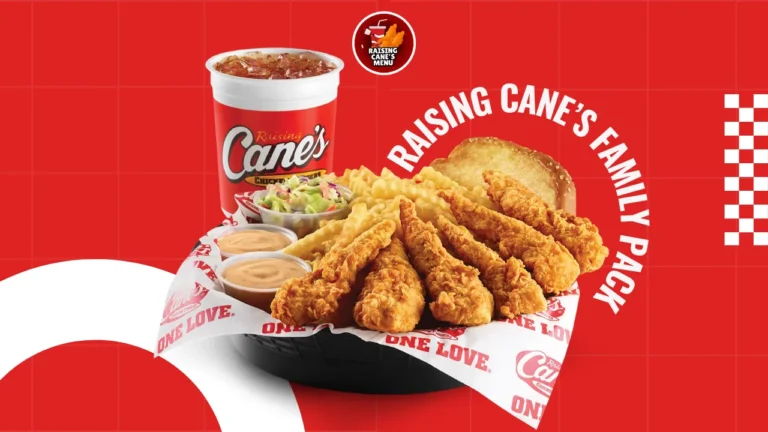
The chain’s signature meals revolve around boneless chicken fingers served with toast, fries and sauce. Each chicken finger weighs roughly 1.9 ounces and contains about 130 calories. A serving of fries weighs about 5 ounces with around 400 calories, while the Texas toast weighs roughly 1.7 ounces. Coleslaw portions are about 3 ounces and add roughly 100 calories. These figures provide a baseline for evaluating meal sizes.
How Many Chicken Fingers in Each Combo?
Raising Cane’s keeps its combo options simple. The 3 Finger Combo includes three chicken fingers, fries, a slice of toast, Cane’s sauce and a drink. According to independent menu price monitoring, this meal costs around $9.59. The Box Combo adds a fourth finger and coleslaw for about $11.49. The Caniac Combo ups the chicken count to six fingers and comes with a larger drink for roughly $16.59. Each combo is cooked to order and delivered hot.
The weight of chicken included grows predictably. With each finger weighing about 1.9 ounces, the 3 Finger Combo provides roughly 5.7 ounces of chicken, the Box Combo about 7.6 ounces and the Caniac about 11.4 ounces. The sides remain consistent: one slice of toast, a serving of fries and coleslaw unless swapped for extra toast or fries. Customers can customise combos by substituting coleslaw for another side at no extra cost.
Serving Sizes of Sides and Drinks
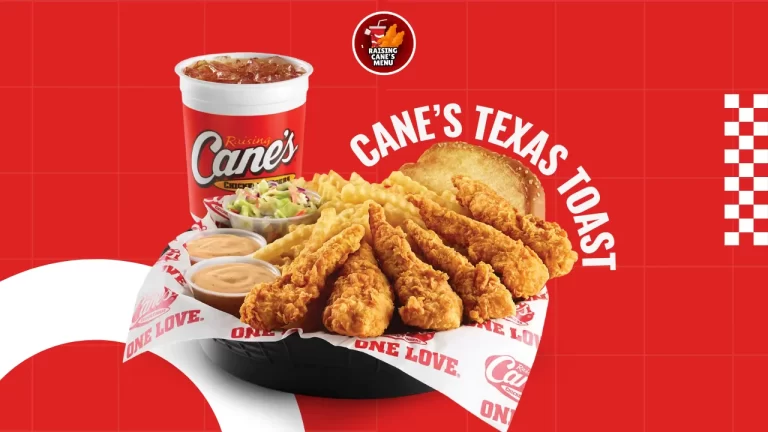
Portion sizes for sides are standardised across locations. Fries are served in one size and weigh around 5 ounces. Texas toast measures roughly 1.7 ounces and is buttered before grilling. Coleslaw comes in a 3 ounce container with a creamy dressing. Cane’s sauce is served in 1.5‑ounce cups with about 190 calories. Drinks are available in kid’s (12 oz), regular (22 oz) and large (32 oz) sizes; a regular sweet tea contains about 230 calories while lemonade contains roughly 290 calories.
Tailgate Packs and Catering Portions
For groups, Raising Cane’s offers Tailgate packs. The 25‑finger pack contains 25 chicken fingers for $39.99; larger packs offer 50 fingers for $77.99, 75 fingers for $113.16 and 100 fingers for $135.80. Each pack includes multiple sauces and serves as a bulk option. Catering trays are designed for events and include chicken fingers with sides packaged for easy distribution. Catering experts note that portion sizes in trays are consistent and predictable, making planning easier. Pricing for trays is based on tray size and portion count rather than per‑person fees.
Price Breakdown: What Are You Paying For?
To judge whether Raising Cane’s portions justify the price, it helps to calculate cost per piece. The table below shows approximate prices for key combos and tailgate packs alongside the number of chicken fingers and estimated cost per finger.
| Meal | Price (approx.) | Chicken fingers | Cost per finger (USD) | Approx. chicken weight |
|---|---|---|---|---|
| 3 Finger Combo | $9.59 | 3 | $3.20 | ≈5.7 oz |
| Box Combo | $11.49 | 4 | $2.87 | ≈7.6 oz |
| Caniac Combo | $16.59 | 6 | $2.77 | ≈11.4 oz |
| 25 Finger Tailgate | $39.99 | 25 | $1.60 | ≈47.5 oz |
| 50 Finger Tailgate | $77.99 | 50 | $1.56 | ≈95 oz |
| 75 Finger Tailgate | $113.16 | 75 | $1.51 | ≈142.5 oz |
| 100 Finger Tailgate | $135.80 | 100 | $1.36 | ≈190 oz |
As the table illustrates, cost per finger decreases as the combo size increases. The Caniac Combo offers more chicken for each dollar than the smaller combos. Tailgate packs deliver the lowest cost per finger because they remove sides and drinks. If you are feeding a group or want leftovers, tailgate packs provide the best value.
What Critics and Fans Say
Concerns About Shrinkflation
Some customers believe the chicken strips have shrunk over time. A Daily Dot report highlights a viral video where a diner holds up a chicken finger and claims it now resembles a nugget. The article notes that viewers on social media complained about the pieces dropping from over 2 ounces to roughly 1.6–1.8 ounces. While employee commenters said sizes fluctuate depending on the plant, the perception of shrinkflation persists. Shrinkflation generally refers to reducing product size while keeping the price the same, and this debate contributes to feelings that portions are not worth the cost.
Customer Reports on Price and Satisfaction
Raising Cane’s appears on lists of overpriced fast‑food chains. A Mashed article from May 2026 recounts a Redditor who posted a receipt for a meal costing $11.56 and noted that the chicken tenders seemed smaller than before. A Yelp reviewer described experiencing sticker shock at a West Coast location where prices were nearly double what she remembered; she mitigated costs by sharing a meal. Another segment of customers responds by recreating Cane’s at home: one TikTok user showed a Caniac Combo receipt totalling $17.96 and then prepared a six‑finger meal at home for $8.66.
Tasting Table also singles out the Box Combo as an item to avoid. The article notes that the meal costs about $10.99 and that fans say it no longer feels like a bargain. With four chicken fingers, fries, toast and a small coleslaw, some diners report the meal is no longer as filling. Many people skip or swap the coleslaw for extra toast or fries. The piece suggests that buying frozen tenders, fries and bread at the grocery store can feed a family for under $25.
Quality and Freshness Factor
On the other hand, fans argue that Cane’s quality justifies the price. Raising Cane’s chicken fingers are hand‑battered, never pre‑frozen, and fried until the exterior is golden and crispy while the inside stays tender and juicy. The breading is thin enough to provide crunch without overwhelming the meat. Its simple menu allows the kitchen to cook each order fresh rather than reheating pre‑cooked products, which many customers appreciate. Even critics on social media concede that the chicken tastes better than typical frozen tenders and that the signature sauce is hard to replicate.
Tips to Get the Best Value
Opt for Larger Combos or Tailgate Packs
When cost per piece matters, larger orders offer better value. A Caniac Combo reduces the cost per finger compared with the smaller combos. Tailgate packs drop the price per finger to around $1.50 and are ideal for families, parties or meal prep. You can store leftovers in the refrigerator and reheat them in an air fryer to preserve crispiness. If you prefer variety, order one large pack and purchase sides separately. Each extra chicken finger costs about $1.81 and an additional serving of fries or toast costs around $2.26 and $1.36 respectively.
Customise Your Meal Smartly
Raising Cane’s allows substitutions within combos. If you dislike coleslaw, swap it for another piece of toast or extra fries at no charge. Since Cane’s sauce is an important part of the experience, consider ordering an extra cup for only about 39 cents. Because each finger is roughly 130 calories, removing one or two can lower the calorie load if you have a smaller appetite.
Join the Caniac Club and Watch for Promotions
Loyal customers can increase value through the Caniac Club. Members receive a free Box Combo on their birthday and frequent buy‑one‑get‑one offers. These deals help offset rising prices and make occasional visits more affordable. Signing up is free on the Raising Cane’s website or mobile app, and the rewards often include drink upgrades or exclusive coupons.
Balance Quality and Budget
Consider how much you value fresh, hand‑battered chicken versus the convenience of home cooking. Making a comparable meal at home may cost less than half the restaurant price, but it requires time and effort. Meanwhile, fast‑food inflation affects all chains, and the average fast‑food meal across major chains costs about $11.56, aligning with the price of a Box Combo. When you prioritise quality and consistency, paying a little extra may feel worthwhile.
Frequently Asked Questions
Each chicken finger weighs about 1.9 ounces and contains roughly 130 calories. This measurement is consistent across orders, though some customers perceive occasional variations.
The Caniac Combo provides six chicken fingers for about $16.59, resulting in a lower cost per finger than the 3 Finger or Box combos. Tailgate packs offer even better per‑piece value if you need more portions.
Yes. Raising Cane’s allows customers to replace the coleslaw in a combo with extra toast or fries at no additional cost. This lets you adjust your meal based on taste preferences.
According to catering guides, portions are standardised so that trays and combos serve the same number of people regardless of location. However, supply variations may cause slight differences in individual chicken finger sizes.
Whether the meal feels worth it depends on your priorities. Customers who appreciate freshly cooked chicken, simple flavours and consistent quality often feel satisfied. Those who expect larger portions for lower prices may find the cost high, especially if they compare it with homemade alternatives. Choosing the right combo size and taking advantage of promotions can help make the price feel more reasonable.
Conclusion
Raising Cane’s portion sizes are precisely measured and delivered consistently across its locations. Each combo includes a predictable amount of chicken and sides. Price hikes and perceived shrinkflation have led some diners to question value, yet others believe the fresh, hand‑battered chicken justifies the cost. Larger combos and tailgate packs reduce the cost per piece, and customising sides or joining the loyalty club can improve value. Ultimately, deciding if Raising Cane’s is worth the price comes down to balancing budget concerns with a desire for high‑quality, convenient comfort food. Check Raising Cane’s First‑Time Order Guide