Why Raising Cane’s Has Such a Simple Menu, Strategy Explained

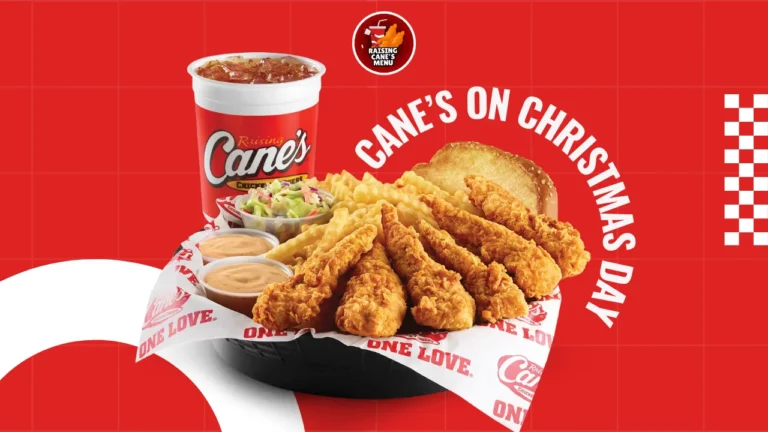
Raising Cane’s stands out in the crowded fast‑food landscape by offering an extremely narrow menu. Walk into any location and you’ll see only a handful of items: chicken fingers, crinkle‑cut fries, Texas toast, coleslaw and Cane’s Sauce plus a chicken finger sandwich in some markets. For many restaurant chains, such minimal variety would seem risky, yet Cane’s has become one of the nation’s fastest‑growing brands.
This article explains why Raising Cane’s has such a simple menu and the strategy behind it. We’ll explore the chain’s origins, operations and marketing to uncover how focus, efficiency and brand identity come together in the “One Love” philosophy.
The Roots of Simplicity
Raising Cane’s simplified menu isn’t an accident; it’s part of the concept’s DNA. When college friends Todd Graves and Craig Silvey pitched a business plan for a chicken‑finger‑only restaurant at Louisiana State University, their professor gave it the lowest grade and bank lenders doubted the idea because it lacked menu variety. The partners were told that families would choose other restaurants if even one person wanted something different. Despite that feedback, Graves was fanatical about keeping the menu limited and universally appealing. He believed that focusing on one thing and doing it better than anyone else would differentiate his brand.
From the beginning, this focus became the chain’s “One Love” philosophy: choose one product category chicken finger meals and perfect every aspect of it. Rather than adding salads, burgers or desserts, the founders invested their energy in sourcing high‑quality chicken, developing a signature sauce and ensuring consistent preparation. Their dedication to quality and simplicity eventually paid off. Today the menu still centres around five core items chicken fingers, fries, coleslaw, Texas toast and Cane’s Sauce. Even the addition of a chicken sandwich simply repurposes chicken fingers on a bun, keeping inventory and preparation aligned with the core menu.
Operational Efficiency Through Focus
One of the biggest benefits of a streamlined menu is operational efficiency. When a restaurant only cooks a few items, the kitchen layout and equipment are simpler. Raising Cane’s supply chain is easier to manage because it sources just a few ingredients fresh chicken tenderloins, potatoes, bread, cabbage, condiments and seasoning. The chain uses a vertically integrated network of chicken suppliers who provide premium tenderloins; these are brined, hand‑battered and breaded before going down a single fry line and out the door. Limited offerings mean there are no heat lamps or holding cabinets; every item is fried or prepared to order and discarded if it sits too long.
Simplicity also accelerates service. With fewer options to assemble, crew members can work quickly and consistently. According to industry data cited by ORI, Cane’s drive‑thru moves cars through in about 2.5 minutes, which is roughly 40 percent faster than McDonald’s and three times quicker than KFC. Customers can swap sides—fries, coleslaw, toast or extra sauce—without slowing production because all sides are prepared the same way. This efficiency keeps lines moving, reduces labour costs and ensures that food is fresh, hot and consistent across the chain.
Simplicity Makes Training Easier
Training is another area where a simple menu pays dividends. New hires at Raising Cane’s learn to master a short list of tasks—battering chicken, frying to golden perfection, buttering toast, prepping coleslaw and portioning sauce. There are no complex recipes or multiple cooking platforms to juggle. Co‑CEO AJ Kumaran explained that people underestimate the complexity of being simple; staying focused means every item has to be executed perfectly because customers know exactly how the chicken should taste. By keeping expectations clear and repetition high, managers can train staff quickly and maintain high standards, even during periods of rapid expansion.
A Brand Strategy Built on “Radical Simplicity”
Operational simplicity feeds into Raising Cane’s brand identity. Research by Morning Consult describes Cane’s as the most distinctive “single‑minded convenience indulgence” brand in fast casual dining. While other chains try to cover many dining occasions with broad menus, Cane’s takes a depth‑before‑breadth approach. This means focusing on fewer eating occasions—like dinner when people are too tired to cook, a quick pick‑up on the way home, road‑trip food stops and late‑night bites—rather than trying to be everything to everyone. The priority is to grow penetration and frequency within these core moments rather than chase health trends or customization.
The study notes that Cane’s wins where speed, simplicity and indulgence matter more than choice. Its simple menu is positioned as a reliable answer when customers are tired, hungry and crave something filling without making many decisions. In contrast to brands like Panera or Chipotle that compete across many meal types, Cane’s aims for the strongest grip on specific high‑frequency occasions. This disciplined focus helps the brand build strong mental associations; customers know exactly what to expect and often develop habitual repeat visits.
Avoiding the Health and Customization Race
Morning Consult’s analysis points out that Cane’s intentionally under‑indexes on health and customization. Diet‑specific cues such as “healthier choice than typical fast food” only resonate with about 10 percent of diners. Rather than adjusting the menu to attract calorie‑counters or special diets, Cane’s maintains its indulgent positioning. The report calls this a structural growth constraint, but notes that it’s a strategic choice: the brand’s advantage lies in doing fewer things better, not diluting its distinctiveness with salad bowls or grilled items.
By sticking to a crave‑worthy product and marketing it as a treat rather than a health food, Cane’s differentiates itself from competitors who constantly tweak menus to chase trends. This consistency reinforces brand trust; customers can rely on Cane’s to deliver the same flavour experience every time they visit.
Quality Without Compromise
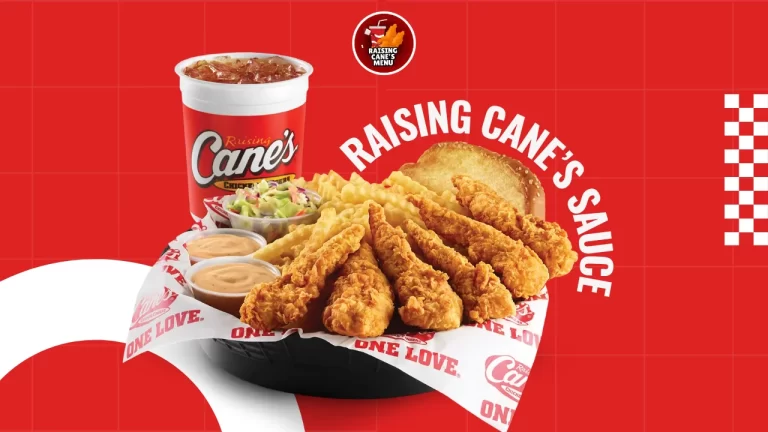
Some might think a simple menu means less effort in the kitchen, but Graves argues that the opposite is true. He told a food blog that he believes in doing one thing better than anybody else. For Cane’s, this means selecting the right chicken and preparing it with meticulous care. The tenderloins are brined for 24 hours, hand‑battered, breaded and fried to order. Each side item is equally important: fries are cut thick and fried until crisp, toast is grilled with butter and garlic salt, and coleslaw is made fresh daily. Even the signature Cane’s Sauce is made in‑house from mayonnaise, ketchup, garlic powder, Worcestershire sauce, black pepper and lemon juice.
Maintaining this level of quality would be much harder if the menu included dozens of items. A long list of ingredients increases the risk of inconsistency, cross‑contamination and food waste. By contrast, a lean menu allows Cane’s to manage inventory precisely, prepare everything fresh and throw out any items that sit too long. The chain’s vertically integrated supply partners further ensure consistent quality across locations.
Supply Chain and Waste Reduction
Minimalist menus also streamline logistics. Fewer perishable items reduce the chance of shortages or spoilage. When supply disruptions occur—such as the 2021 labour shortages or a 2023 cyber‑security issue—Cane’s can focus resources on securing chicken tenderloins and core ingredients. It doesn’t have to manage dozens of products across a sprawling supply chain. Lower inventory complexity helps control costs and reduces waste, which can be reinvested into labour, quality or community giving.
Customer Experience: Speed and Satisfaction
The simple menu benefits customers as much as it helps operations. With only a few decisions to make—How many chicken fingers? Fries or coleslaw? Extra toast?—guests avoid the decision fatigue common at restaurants with extensive menus. A quick, consistent ordering process builds trust and encourages repeat visits. Cane’s customers appreciate knowing exactly what they’ll get, whether they order in store, at the drive‑thru or online. That reliability positions Cane’s as a dependable choice during road trips, late‑night cravings or after a long day.
Additionally, the limited menu allows team members to provide friendly service without feeling overwhelmed. They can focus on greeting customers, ensuring orders are correct and maintaining clean dining rooms. The emphasis on One Love fosters a company culture where employees take pride in doing a few things exceptionally well, which translates into a better customer experience.
Challenges of a Lean Menu
Although Raising Cane’s simple menu has many advantages, it also comes with trade‑offs. Not everyone wants chicken fingers; some people seek healthier or vegetarian choices, meaning they’ll go elsewhere. Research shows that the brand resonates less with customers looking for low‑calorie or diet‑specific options. This narrow focus can limit the chain’s appeal in certain markets or among certain demographics.
Competitors may also imitate the model. Chains like Chick‑fil‑A and Popeyes have introduced chicken tender meals and sandwiches, increasing competition in Cane’s core category. However, Graves remains confident that his company’s dedication to quality and service will stand out. He told Forbes that people frequently suggest adding new items, but he politely declines, insisting “We do one thing—chicken fingers—and we do it better than anybody else”.
The Future: Growth Without Menu Sprawl
Despite the narrow menu, Raising Cane’s continues to expand rapidly. As of 2025, the chain reportedly operates nearly 1,000 locations across the United States. According to ORI, annual sales reached $5.1 billion in 2024 and the company plans to surpass 1,600 restaurants while giving back $100 million to communities. The brand’s leadership has expressed no desire to broaden its menu. Instead, they will “keep doing the same thing” and focus on being “relentless” in executing the core product.
Morning Consult advises that future growth should come from owning specific meal occasions—such as dinner fatigue, road trips and late nights—rather than chasing new categories. The strategy also includes improving convenience through digital ordering and drive‑thru enhancements, offering bundle deals like “Long Day Box” combos tailored to end‑of‑day cravings. As long as the brand protects its radical simplicity and invests in speed, quality and customer satisfaction, the simple menu should remain an asset rather than a limitation.
Advantages of Raising Cane’s Simple Menu
| Advantage | How it Works | Evidence |
|---|---|---|
| Operational efficiency | A limited menu reduces kitchen complexity, accelerates drive‑thru service and enables crew members to master tasks quickly. | The drive‑thru processes cars in about 2.5 minutes, making it faster than competitors. The chain’s few sides can be swapped without extra prep time. |
| High quality control | Fewer dishes allow Cane’s to source premium chicken, brine it for 24 hours and fry it fresh. No heat lamps or holding cabinets mean everything is made to order. | Graves emphasises doing one thing better than anyone else and brining tenderloins before hand‑battering. Any food that sits too long is discarded. |
| Simpler supply chain | A focused menu requires fewer ingredients, reducing waste, controlling costs and making it easier to maintain consistent quality across locations. | The “One Love” philosophy keeps the supply chain simpler and speeds up ordering. |
| Speed and convenience for customers | Limited choices reduce decision fatigue and ensure quick service in both dine‑in and drive‑thru settings. | Cane’s wins when speed and simplicity matter more than choice. |
| Strong brand identity | Radical simplicity differentiates Cane’s from competitors and helps customers form clear mental associations with the brand. | Research notes that Cane’s trades breadth for intensity, focusing on specific high‑frequency occasions rather than competing everywhere. |
FAQs
Raising Cane’s menu reflects its One Love philosophy: doing one thing exceptionally well. Founder Todd Graves believed that limiting menu items would allow his team to perfect each element and deliver consistent quality. Research shows that the brand wins when speed, simplicity and indulgence matter more than variety.
Graves has consistently resisted calls to expand the menu. He argues that adding items would dilute the brand’s focus and complicate operations. As one article notes, he responds politely to suggestions for new dishes but maintains that Cane’s will continue to specialise in chicken fingers.
A lean menu means faster service, fresher food and less decision fatigue. The drive‑thru moves cars quickly—around 2.5 minutes per vehicle—because there are fewer options to prepare. Customers know exactly what to expect, which builds trust and encourages repeat visits.
“One Love” is Raising Cane’s motto summarising its focus on quality chicken finger meals. Rather than offering a wide range of dishes, the chain concentrates on delivering craveable chicken, simple sides and a signature sauce. This focus helps maintain consistent quality across all locations.
Some diners do see the limited menu as a drawback. Morning Consult notes that Cane’s under‑indexes on health and customization cues. However, this is a deliberate choice to preserve the brand’s distinctiveness. Those seeking salads or vegetarian meals may choose other restaurants, but Cane’s believes its indulgent, craveable focus resonates strongly with its target audience.
Conclusion
Raising Cane’s proves that in the fast‑food world, doing less can mean doing better. The chain’s strategy of maintaining a simple menu stems from its founders’ conviction that excellence comes from focus. By limiting choices, Cane’s ensures operational efficiency, high‑quality food, fast service and a strong, memorable brand identity. Research and customer behaviour confirm that the brand wins when customers crave a hot, filling meal without the hassle of sorting through dozens of options. While the menu may never appeal to everyone, it continues to draw loyal fans who appreciate its reliability and craveable flavours. As the company expands toward thousands of locations, protecting this radical simplicity will be key to sustaining its success.