Raising Cane’s vs Chick‑fil‑A – Which Chicken Chain Is Better?
Fans regularly debate whether Raising Cane’s vs Chick‑fil‑A offers the tastier chicken meal. These two southern‑inspired chains dominate the U.S. fast‑food chicken market, yet they follow very different philosophies. One brand focuses on simplicity, offering only chicken fingers and a few sides, while the other provides sandwiches, nuggets, salads and breakfast items.
In this guide we explore everything from ingredients and cooking techniques to nutrition, price, service and ethics so you can decide if Cane’s vs Chick‑fil‑A is the better choice for your next meal.
Origins and Philosophy
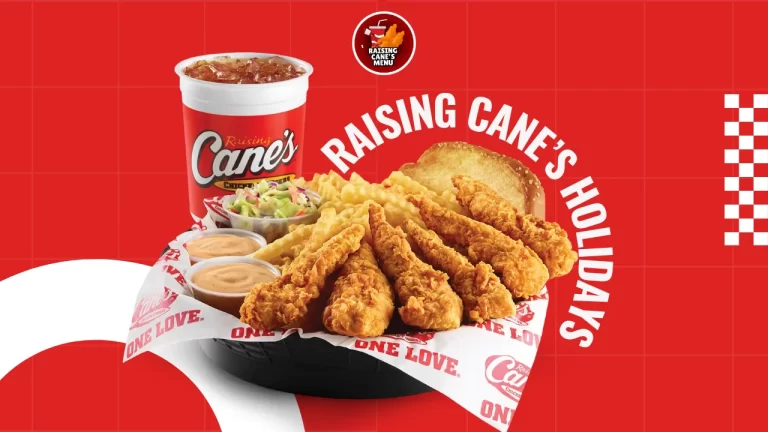
Raising Cane’s began in 1996 when founder Todd Graves opened a small chicken‑finger restaurant in Baton Rouge, Louisiana. The concept was simple: serve fresh, never‑frozen chicken fingers with crinkle‑cut fries, Texas toast, coleslaw and a zesty dipping sauce. Co‑founder Graves later explained that the chain uses breast tenderloins rather than sliced breast meat and brines the chicken for 24 hours before hand‑battering each order. Because the chicken is fried to order and served within minutes, the menu remains small to maintain quality and consistency.
Chick‑fil‑A traces its roots to 1946 when S. Truett Cathy opened a diner in Georgia. He spent four years perfecting the seasoning blend for the chicken sandwich and keeps the recipe in a company safe. The chain introduced the first pressure‑cooked chicken sandwich in the 1960s and later invested millions developing grilled chicken and specialized grills seasoned with garlic, lemon and herbs. The company also uses refined peanut oil to fry its chicken because of its high smoke point and clean flavor. Cathy chose to close all locations on Sundays for rest and worship, a policy still enforced today. Raising Cane’s, by contrast, remains open daily (except major holidays), typically from 10 AM to late evening.
Menu Variety and Options
One of the biggest differences between the two chains is menu diversity. Raising Cane’s operates on a minimalist approach, serving chicken fingers, fries, Texas toast, coleslaw and its signature sauce; combo meals only vary in portion sizes. This simplicity allows the company to focus on executing one product extremely well but limits healthier or lighter options. Customers looking for salads, grilled items or breakfast will not find them at Cane’s.
Chick‑fil‑A, on the other hand, offers fried and grilled chicken sandwiches, nuggets, breakfast biscuits, wraps, fruit cups, soups and a selection of salads. Students surveyed at New Trier High School cited this variety as the primary reason they preferred Chick‑fil‑A over Cane’s. The chain’s diversity allows guests to tailor their meals to dietary goals such as weight loss, low‑carb diets or balanced nutrition. For example, a customer can substitute waffle fries with a side salad or fruit cup, or choose grilled nuggets instead of fried, giving Chick‑fil‑A a clear advantage in customization.
Chicken Quality and Preparation
Raising Cane’s prides itself on quality. It uses breast tenderloins rather than smaller tender pieces, producing juicier and larger strips. The tenderloins are marinated for 24 hours, hand‑battered to order and fried until golden, with each order served within six minutes to ensure freshness. Minimal breading lets the chicken flavor shine and results in a crisp exterior and moist interior.
Chick‑fil‑A’s chicken is also renowned. Truett Cathy’s secret seasoning blend took years to develop, and the company pressure‑cooks its chicken sandwiches to lock in juices. For grilled options, Chick‑fil‑A marinated the meat in a garlic, lemon and herb mixture and invested in a special grill to achieve a char‑grilled flavor. The chain fries its chicken in refined peanut oil, which provides a crisp texture without imparting off flavors. The result is tender, flavorful meat with a signature seasoning.
Opinion pieces illustrate how these differences affect experience. A student writer at New Trier compared both chains and reported that Cane’s chicken breading is crunchy but the meat inside can be chewy or dull. Conversely, she described Chick‑fil‑A nuggets as perfectly portioned with a good crunch‑to‑chew ratio. Nevertheless, many fans still praise Cane’s chicken for its size and juiciness; in a national ranking, Raising Cane’s chicken tenders ranked above Chick‑fil‑A’s due to near‑perfect texture and taste.
Signature Sauces
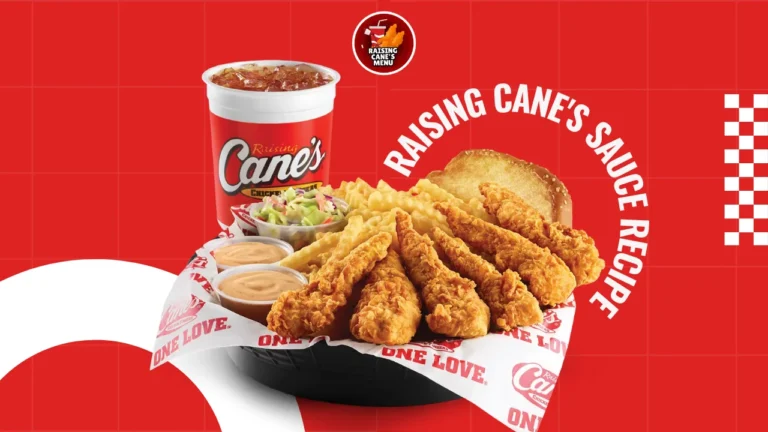
Sauces significantly influence customer loyalty. Raising Cane’s signature sauce is a peppery, tangy blend that pairs with chicken fingers and fries. The exact recipe remains secret, but former employees and recipe developers believe it contains ketchup, mayonnaise, Worcestershire sauce, garlic powder and black pepper. While beloved, the sauce carries 190 calories per serving, with about 18 grams of fat and 5 grams of carbohydrates. Some fans note that the flavor can vary by visit.
Chick‑fil‑A’s signature sauce was created accidentally in 1983 when an employee mixed honey‑mustard dressing with barbecue sauce. Ingredients include mustard, ranch dressing, mayonnaise, soybean oil, garlic, onion, sugar, egg yolk and vinegar. The sauce is sweet, smoky and tangy. A serving of Chick‑fil‑A sauce has about 140 calories, 13 grams of fat and seven grams of carbohydrates—lower than Cane’s sauce. It is bottled and sold nationwide. An opinion writer from Hudson High School argued that Cane’s sauce offers a more balanced combination of tanginess, saltiness and sweetness, but acknowledges that preferences vary depending on whether you favor salty or sweet flavors.
Sides and Fries
Both chains serve fries, but they differ in style and reception. Raising Cane’s fries are crinkle‑cut and lightly salted. According to the Raising Cane’s nutrition guide, a serving has roughly 390 calories and 49 grams of carbohydrates. A student reviewer found Cane’s fries unmemorable and not crispy enough. However, many fans appreciate their softness and the combination with Cane’s sauce.
Chick‑fil‑A fries are waffle‑cut and cooked in canola oil until crisp on the outside and tender inside. A regular order contains about 420 calories, 45 grams of carbohydrates, 24 grams of fat and five grams of fiber. Waffle fries are a customer favorite; they provide a unique texture and pair well with Chick‑fil‑A sauce. Customers also have the option to swap fries for a fruit cup or side salad.
Cane’s serves Texas toast buttered and grilled, adding about 140 calories and 23 grams of carbohydrates. Coleslaw offers a lighter alternative with 100 calories and 11 grams of carbs and can reduce the carbohydrate load of a combo when substituted for fries. Chick‑fil‑A does not include toast but sells biscuits and other bread on breakfast items. The chain’s side options include soups, yogurt parfaits and kale crunch salads, providing more variety and nutrition.
Nutrition and Calorie Comparison
The table below compares typical menu items from each chain. Note that values are approximate and based on available nutrition guides.
| Item | Chain | Calories | Carbohydrates (g) |
|---|---|---|---|
| Chicken finger (1 pc) | Raising Cane’s | 130 | 5 |
| Chicken tenderloin (3‑finger combo) | Raising Cane’s | 1,020 (with fries, toast, sauce) | 81 |
| Cane’s sauce (per serving) | Raising Cane’s | 190 | 6 |
| Crinkle‑cut fries | Raising Cane’s | 390 | 49 |
| Texas toast | Raising Cane’s | 140 | 23 |
| Coleslaw | Raising Cane’s | 100 | 11 |
| Chicken sandwich | Chick‑fil‑A | 440 | 41 |
| 8‑count chicken nuggets | Chick‑fil‑A | 250 | 11 |
| Grilled nuggets (8 ct) | Chick‑fil‑A | 130 | 1 |
| Waffle fries | Chick‑fil‑A | 420 | 45 |
| Chick‑fil‑A sauce (per serving) | Chick‑fil‑A | 140 | 7 |
From this comparison, Raising Cane’s sides and sauce contribute significantly to calorie and carbohydrate totals. A three‑finger combo with fries, Texas toast and sauce easily surpasses 1,000 calories. Replacing fries with coleslaw reduces the combination to about 730 calories and 43 grams of carbohydrates. Chick‑fil‑A offers lower‑calorie items like grilled nuggets (130 calories and 1 gram of carbs) and salads, allowing diners to moderate calorie intake.
Price and Value for Money
Price perceptions often influence loyalty. According to a price analysis in a student paper, Chick‑fil‑A nuggets cost about 42 cents each, whereas Cane’s chicken tenders cost roughly 58.5 cents each, making the nuggets slightly cheaper per piece. Additionally, Chick‑fil‑A provides complimentary sauces, whereas Raising Cane’s charges extra for additional sauce cups. Some customers argue that Cane’s tends to be overpriced for the amount of food given.
However, cost per piece does not tell the whole story. Cane’s tenders are larger than Chick‑fil‑A nuggets and come with fries and toast, offering a more substantial meal. Chick‑fil‑A combos may include two sides and a drink, but the base portion of chicken is smaller. Ultimately, value depends on appetite, portion preferences and whether you value extra sides or variety. Both chains offer loyalty rewards that can offset costs.
Service, Hours and Availability
Chick‑fil‑A operates approximately 3,412 restaurants in the United States as of March 30 2026, while Raising Cane’s has about 953 U.S. locations. Chick‑fil‑A’s larger footprint means easier access for most Americans. However, the brand is closed on Sundays due to its founder’s religious convictions, so fans must plan their visits accordingly. Raising Cane’s is open seven days a week, usually from 10 AM to 10 PM or later, making it a convenient late‑night option. The chain closes only on major holidays such as Thanksgiving and Christmas.
Customer service is another differentiator. Chick‑fil‑A is widely praised for friendly, efficient staff and consistently clean restaurants. The company’s hospitality training emphasises politeness (“my pleasure”) and fast service. Raising Cane’s also prides itself on “crew members” who quickly prepare fresh chicken but does not have the same reputation for hospitality. For some diners, the ability to get a quick meal on a Sunday night outweighs the extra friendliness at Chick‑fil‑A.
Ethical and Cultural Considerations
Controversies can influence where consumers choose to dine. Chick‑fil‑A has faced criticism for donating to organisations opposing LGBTQ+ rights. Although the company has adjusted its charitable giving in recent years, the controversy remains, prompting some consumers to avoid the chain on ethical grounds. Raising Cane’s has not been implicated in similar controversies, allowing customers to enjoy their meal without worrying about corporate political stances. For others, the choice may depend on whether the chain’s values align with their own.
Ordering Tips and Health Considerations
Managing calorie and carbohydrate intake at fast‑food restaurants requires strategy. The U.S. Centers for Disease Control and Prevention (CDC) notes that restaurants often serve portions larger than a single person needs and recommends sharing an entrée or taking half home. At Raising Cane’s, you can lighten your meal by replacing fries with coleslaw and skipping the Texas toast, which cuts both calories and carbs. Ordering unsweet tea instead of sweet tea or lemonade eliminates dozens of grams of sugar; Cane’s sweet tea contains 36 grams of sugar, while unsweet tea has none.
Chick‑fil‑A offers more ways to customize. Choose grilled sandwiches or nuggets to reduce fat and calories. Replace waffle fries with a side salad, fruit cup or Greek yogurt parfait. The CDC recommends opting for low‑fat, fiber‑rich foods like fruits and vegetables to feel full with fewer calories. When eating at either chain, avoid overeating by using a smaller plate and portioning snacks rather than eating straight from the container. Finally, stick to water or unsweet beverages and limit high‑calorie sauces.
FAQs
Raising Cane’s focuses exclusively on chicken fingers that are marinated for 24 hours and hand‑battered to order. Many rankings place Cane’s tenders above Chick‑fil‑A’s due to their juiciness and crisp texture. However, some reviewers find the meat chewy or bland. Chick‑fil‑A offers nuggets and sandwiches cooked in peanut oil with a proprietary seasoning blend. The best choice depends on whether you prefer strips or nuggets and how much you value crunchy breading.
A price analysis found that Chick‑fil‑A nuggets cost about 42 cents each, while Raising Cane’s chicken tenders cost 58.5 cents each. Cane’s also charges extra for additional sauce, whereas Chick‑fil‑A provides sauces for free. Nevertheless, Cane’s tenders are larger and combos include sides like toast, so overall value may be comparable.
Chick‑fil‑A sauce contains about 140 calories, 13 grams of fat and seven grams of carbohydrates per serving. Raising Cane’s sauce packs around 190 calories and 18 grams of fat. Neither is low‑calorie, but Chick‑fil‑A’s sauce has fewer calories and slightly less fat. You can also choose lower‑calorie sauces like honey mustard or barbecue at Chick‑fil‑A or skip the sauce altogether.
Yes. Chick‑fil‑A’s menu includes grilled chicken sandwiches and nuggets, salads, kale crunch sides, fruit cups and yogurt parfaits. Grilled nuggets contain only 130 calories and one gram of carbohydrates, making them a good choice for low‑carb diets. Raising Cane’s has fewer alternatives; the only lower‑carb swap is coleslaw instead of fries.
Founder S. Truett Cathy instituted a Sunday closure policy to allow employees to rest and attend church. The company maintains this tradition today, citing its corporate purpose “to glorify God by being a faithful steward of all that is entrusted to us”. For some diners the Sunday closure is inconvenient, while others appreciate the company’s commitment to its values.
Conclusion
Choosing between Raising Cane’s and Chick‑fil‑A ultimately comes down to your priorities. Cane’s excels at what it does best: serving fresh, juicy chicken fingers with a crave‑worthy sauce and soft Texas toast. However, the menu is limited, and meals are often high in calories, fat and sodium. Chick‑fil‑A offers greater variety, healthier options and a larger footprint, though its chicken pieces are smaller and the chain is closed on Sundays. Chick‑fil‑A has also faced ethical controversies that may sway your choice.
If you’re craving indulgent chicken fingers and don’t mind a heavier meal, Raising Cane’s delivers. If you want flexibility, lighter options, friendly service and easier access, Chick‑fil‑A is likely the better fit. Either way, practice portion control, choose healthier sides when possible and enjoy these beloved chicken chains in moderation. Check Is Raising Cane’s More Expensive Than Chick-fil-A