Raising Cane’s vs Popeyes — What’s the Difference?
Two Louisiana‑born brands dominate the conversation when fried chicken lovers debate their favourite chain: Raising Cane’s and Popeyes. Each promises crispy chicken and bold flavor, yet their approaches differ dramatically. Cane’s keeps its menu simple with chicken finger combos and a signature sauce, while Popeyes offers bone‑in chicken, sandwiches, tenders and a wide selection of sides.
This detailed comparison highlights origins, menu variety, preparation methods, nutrition, pricing and service. Using up‑to‑date facts and authoritative sources, we’ll help you decide which chain deserves your next meal.
Origins and Growth
Founding Stories
Popeyes Louisiana Kitchen dates back to 1972, when founder Al Copeland opened “Chicken on the Run” in New Orleans. The venture struggled at first but quickly pivoted to Popeyes Famous Fried Chicken; franchising began in 1976. Over the decades, the chain expanded internationally and became a subsidiary of Restaurant Brands International. As of 2021, Popeyes operated more than 3,705 restaurants in over 46 U.S. states, the District of Columbia, Puerto Rico and 30 countries.
Raising Cane’s opened its first restaurant in Baton Rouge, Louisiana in 1996. The brand built its identity around chicken fingers and gradually spread across the United States. According to data company ScrapeHero, there were 953 Raising Cane’s locations in the U.S. as of March 9 2026, with Texas hosting about 200 restaurants. Cane’s operates in 46 states and territories, showing impressive growth for a chain with such a narrow focus.
Market Presence
Popeyes has a far larger footprint, running 3,193 U.S. restaurants as of February 10 2026. Texas alone has 437 Popeyes locations. With nearly three times more units than Cane’s, Popeyes is easier to find in most regions. However, Cane’s rapid expansion—about 953 U.S. restaurants—shows strong demand for its streamlined concept. The difference in scale affects availability and brand familiarity.
Menu Variety and Specialization
Main Offerings
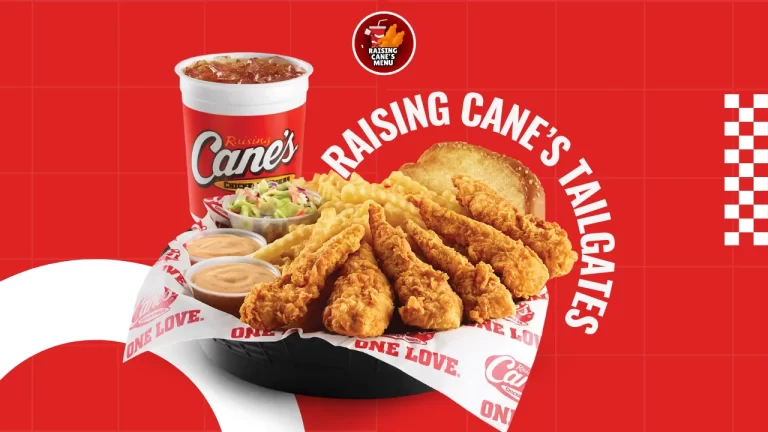
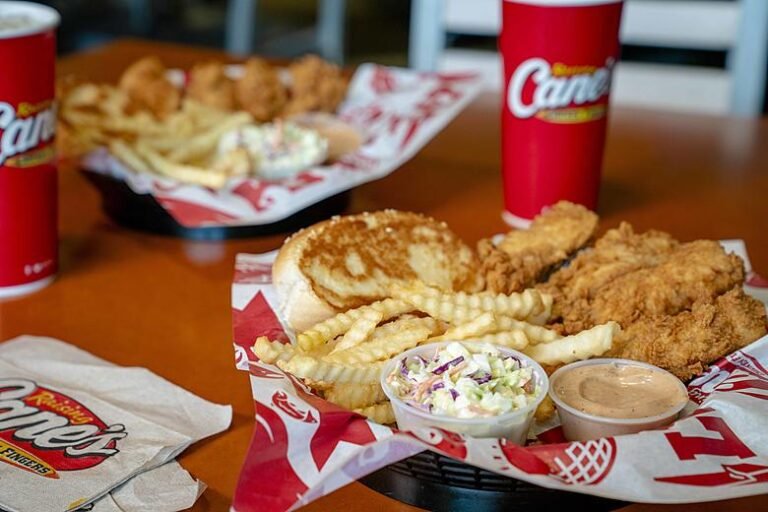
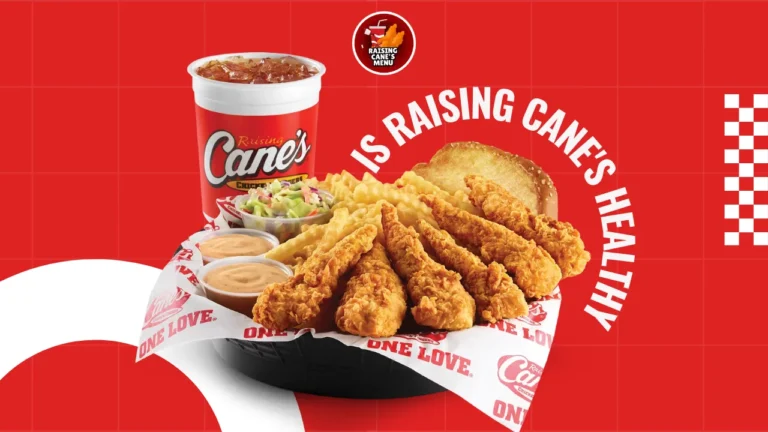
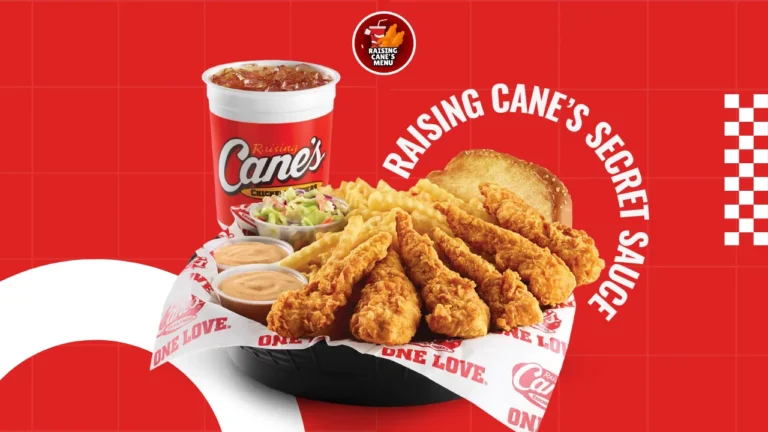
Cane’s menu revolves around chicken fingers. Customers choose combos containing three, four or six fingers served with crinkle‑cut fries, Texas toast, Cane’s sauce and optional coleslaw. The only sandwich simply stacks three fingers on a bun. That simplicity means quick ordering and consistent quality but limits options for diners seeking variety.
Popeyes offers bone‑in fried chicken in mild and spicy flavors, chicken sandwiches, tenders, wings, seafood and even shrimp. The chain’s chicken sandwiches, introduced in 2019, feature buttermilk‑marinated chicken on a brioche bun. Popeyes also provides family meals and new limited‑time items such as ghost pepper sandwiches and halal‑certified options. This menu breadth caters to many tastes and dietary preferences.
Sides and Beverages
Cane’s sides include fries, coleslaw and Texas toast. Many fans praise the toast’s buttery, fluffy texture. The coleslaw offers a creamy, tangy contrast and contains 100 calories per serving. Beverage options are limited to soft drinks, sweet tea and unsweet tea.
Popeyes boasts a diverse side menu: Cajun fries (270 calories), mac and cheese (430 calories), mashed potatoes with gravy (110 calories), red beans and rice (250 calories), coleslaw (140 calories) and buttery biscuits (260 calories). It also serves desserts like cinnamon apple pie and various flavored lemonades. These choices allow customers to customize meals, though they often add extra calories.
Sauces
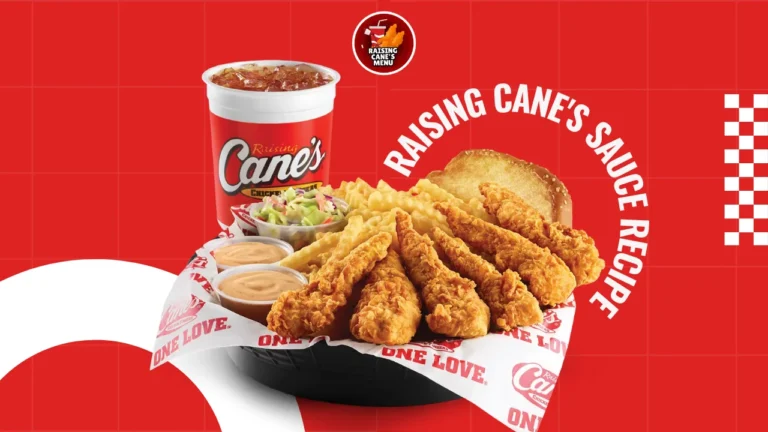
Cane’s offers one signature dipping sauce, a creamy blend of mayonnaise, ketchup, Worcestershire sauce, garlic powder and black pepper. Its peppery tang has inspired devoted fans and countless copycat recipes. Popeyes provides numerous dipping sauces: Bold BBQ, Buttermilk Ranch, Blackened Ranch, Sweet Heat, Mardi Gras Mustard and others, each with different calorie counts ranging from 60 to 140 per serving. For wing lovers, there are additional flavorful wing sauces such as Louisiana Garlic and Honey BBQ.
Chicken Preparation and Quality
Marination and Breading
Cane’s focuses on quality over quantity. The chain uses whole chicken breast tenderloins, marinating them for 24 hours before hand‑breading and frying to order. A reviewer noted that Cane’s tenders were thicker and meatier with only a thin layer of breading. The chicken tastes slightly salty and savory, with crisp breading that doesn’t overwhelm the juicy meat.
Popeyes also marinates its chicken in Louisiana herbs and seasonings before hand‑battering and breading it. The classic tenders are heavily breaded and fried, resulting in long, frilly pieces with a crunchy coating. According to a taste test, the seasoning on Popeyes tenders is subtle, and some pieces can be gristly or chewy. Popeyes offers a healthier “blackened” tender option that is grilled rather than fried; three blackened tenders contain just 170 calories. This high‑protein choice suits diners watching calories.
Portion Size and Texture
In the Eat This, Not That! comparison, Popeyes tenders weighed between 1.8 and 3.2 ounces each, with generous breading. Cane’s fingers were slightly shorter but thicker, weighing 1.3 to 2.7 ounces. The thicker meat and lighter breading contributed to a more homemade feel at Cane’s. Thus, Cane’s chicken tends to be juicier and less greasy, while Popeyes emphasises crunch.
Nutrition and Health Considerations
Nutritional Comparison
Fried chicken and sides can deliver high calories, fat and sodium. The table below summarizes nutrition for comparable items.
| Item | Chain | Calories | Total Fat | Carbs (g) | Protein (g) | Notes |
|---|---|---|---|---|---|---|
| Chicken tender (per piece) | Popeyes classic | 113 calories, 5 g fat, 9 g carbs, 9 g protein | 5 g | 9 | 9 | Heavily breaded and fried |
| Chicken finger (per piece) | Raising Cane’s | 130 calories, 6 g fat, 5 g carbs, 13 g protein | 6 g | 5 | 13 | Marinated 24 hours, lightly breaded |
| Blackened chicken tenders (3 pc) | Popeyes | 170 calories total | Low | — | — | Grilled option for low calories |
| Classic tenders (3 pc) | Popeyes | 450 calories with 21 g fat and 29 g carbs | 21 g | 29 | 38 | Includes spicy or mild versions |
| 3 Finger combo meal | Cane’s | 1050 calories and 81 g carbs | 56 g fat | 81 | 47 | Comes with fries, toast and sauce |
| 3‑piece tender combo | Popeyes | 450 calories for tenders alone; with biscuit, fries and drink cost me $14.69 and likely exceeds 1,000 calories | — | — | — | Pricey compared to Cane’s |
| Cajun fries (side) | Popeyes | 270 calories | 11 g fat (approx.) | 35 g | 4 g | Seasoned with Louisiana spices |
| Coleslaw (side) | Popeyes | 140 calories, 12 g carbs and 11 g fat | 11 g | 12 | 0 | Tangy and creamy |
| Coleslaw (side) | Cane’s | 100 calories, 11 g carbs, 1 g protein | 7 g | 11 | 1 | Lighter than Popeyes’ version |
| Biscuit (1) | Popeyes | 260 calories | 14 g fat (approx.) | 20 g | 4 g | Buttery and flaky |
| Texas toast (1) | Cane’s | 140 calories with 23 g carbs | 1.5 g saturated fat | 23 | 4 | Brushed with butter |
Health Tips
For health‑conscious diners, portion control is essential. The Centers for Disease Control and Prevention advise splitting large restaurant portions with a friend or taking half home to avoid overeating. At Cane’s, replacing fries with coleslaw in a combo significantly reduces calories and carbohydrates. Popeyes offers salads and grilled blackened tenders for lighter meals. It’s wise to skip high‑calorie sides like mac and cheese or biscuits and pair meals with unsweet tea or water to reduce sugar intake.
Pricing and Value
The Eat This, Not That! review found that a three‑finger meal at Cane’s cost $12.83 plus tax in Brooklyn, while a comparable three‑piece tenders meal at Popeyes cost $14.69. Cane’s therefore offered similar food for about $2 less. Cane’s combos also include Texas toast and Cane’s sauce at no additional charge, whereas Popeyes combos often vary by side and sauce choices.
The Popeyes menu site lists a 3‑piece tender meal at $13.79 and a 5‑piece meal at $16.99, these prices may differ by region. While Popeyes offers value deals, the cost per tender is typically higher than Cane’s, partly due to the inclusion of biscuits and larger sides.
Service and Experience
Cane’s emphasises speed and friendly service. Employees recite rhyming greetings and deliver orders promptly. Although we lack direct data for Popeyes drive‑thru times, many diners note variability in service due to the larger menu and higher volume. Cane’s narrow focus allows for consistent preparation and faster service, while Popeyes’ extensive menu can create longer waits. Availability also differs: with over 3,000 U.S. locations, Popeyes is easier to find than Cane’s, but Cane’s smaller footprint sometimes leads to long lines at popular stores.
Public Perception and Taste Tests
Taste tests reveal differing opinions. In Eat This, Not That!’s head‑to‑head comparison, Cane’s chicken fingers were judged tastier and cheaper than Popeyes tenders. The reviewer praised Cane’s tender meat and thin breading, describing the chicken as almost homemade. Popeyes tenders were called crunchy yet mild, with some gristly bits.
Customer satisfaction ratings also highlight contrasts. ScrapeHero’s analysis of Raising Cane’s customer reviews found an average rating of 4.33 out of 5 across more than 670,000 reviews. While an equivalent rating for Popeyes isn’t available in this article, the chain’s sheer size suggests varied experiences. Social media debates often pit Cane’s simple quality against Popeyes’ flavorful variety, and there is no unanimous winner—preferences depend on taste and priorities.
FAQs
Yes. Popeyes serves bone‑in chicken, sandwiches, tenders, wings, seafood, salads and a variety of sides. Cane’s focuses almost exclusively on chicken finger combos.
Raising Cane’s marinates its chicken fingers for 24 hours before hand‑breading and frying to order. Popeyes marinates chicken in Louisiana herbs and seasonings and then hand‑batters and breades it.
Neither is health food, but Popeyes offers grilled blackened tenders at 170 calories for three pieces. Cane’s has fewer sides, making it easier to track calories; substituting coleslaw for fries reduces carbs and calories.
Price varies by location. A three‑finger meal at Cane’s cost about $12.83, roughly $2 less than a comparable Popeyes tender meal ($14.69) in one taste test. Menu prices differ regionally but Cane’s combos usually offer better value per tender.
Popeyes has a larger footprint, with 3,193 U.S. locations as of February 2026. Raising Cane’s operated 953 U.S. restaurants in March 2026.
Conclusion
Raising Cane’s and Popeyes both showcase Louisiana’s love for fried chicken but cater to different diners. Cane’s focuses on chicken fingers with 24‑hour marination, thin breading, buttery toast and a cult‑favorite peppery sauce. Its streamlined menu allows for fast service, reliable quality and lower combo prices. Popeyes offers broad variety, from bone‑in chicken and tenders to sandwiches and seafood. Its classic tenders are crunchy and heavily breaded, while blackened tenders provide a healthier option. Sides such as Cajun fries, red beans and rice and biscuits provide more customization, though they raise calorie counts. Check Also Raising Cane’s vs Zaxby’s