Raising Cane’s vs McDonald’s Chicken — Full Comparison
When it comes to quick meals, fried chicken continues to dominate. Two popular names—Raising Cane’s and McDonald’s—show just how different fast‑food chicken can be. One chain built its reputation on simple, hand‑battered chicken fingers and a peppery secret sauce, while the other is a global empire known for burgers, fries and an expanding chicken lineup. In this guide we’ll examine how their chicken stacks up in terms of taste, preparation, nutrition, menu variety and value.
You’ll learn why some diners swear by the crave‑worthy Cane’s fingers and why others still head for the Golden Arches when cravings strike. By the end you’ll know which brand better suits your preferences and how to make healthier choices at either restaurant.
Brand Overview & Menu Variety
Origins & Footprint
Raising Cane’s started in Baton Rouge, Louisiana in 1996 and has grown steadily by keeping its menu simple. As of March 9 2026 there were 953 Raising Cane’s locations across the United States, with Texas accounting for about a fifth of all restaurants. In comparison, McDonald’s began in the 1940s and has become one of the world’s largest restaurant chains. According to McDonald’s corporate history, the company has more than 40,000 restaurant locations worldwide and roughly one‑quarter of those are in the United States. This massive footprint means you’re more likely to find a McDonald’s in your neighborhood than a Raising Cane’s, especially outside the Southern United States.
Menu Variety & Philosophy
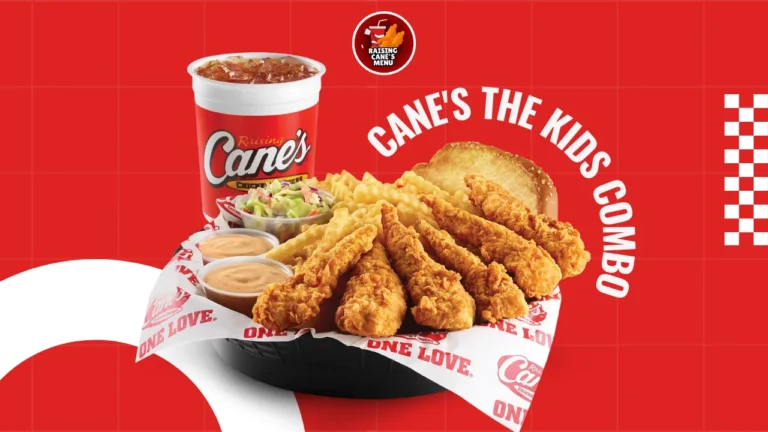
Raising Cane’s is known for doing one thing exceptionally well—fried chicken fingers with simple sides. A 2025 menu overview explains that the brand’s offerings center on hand‑battered finger pieces, crinkle‑cut fries, buttery Texas toast and the signature Cane’s Sauce. The company emphasises consistency: a streamlined lineup helps deliver fresh, made‑to‑order items at every location. Despite expanding to hundreds of outlets, Cane’s has resisted menu sprawl; combos differ primarily by the number of chicken fingers and include standard sides like fries, coleslaw or a drink.
McDonald’s takes the opposite approach. Its products range from hamburgers and cheeseburgers to various types of chicken, chicken sandwiches, french fries, soft drinks, shakes, breakfast items and desserts. In many markets it also offers salads, wraps and vegetarian items. The company’s success rests on this broad menu and constant innovation—it regularly introduces limited‑time items and regional specialties. This variety makes McDonald’s more accommodating for families with differing tastes or for diners seeking breakfast foods any time of day. Cane’s, by contrast, is purely a lunch and dinner destination because it opens around 10 a.m. and does not serve breakfast.
Chicken Quality & Preparation
Raising Cane’s Chicken Method
Raising Cane’s prides itself on using premium chicken breast tenderloins, which co‑founder Todd Graves calls a “cut above” compared with ordinary strips. To maximise juiciness, the tenderloins are stored in a brining solution for 24 hours before cooking. Staff then hand‑batter and bread each order to cook‑to‑order, ensuring the chicken is served hot and crispy. Graves believes this meticulous process, along with a proprietary sauce, delivers a crave‑able meal. The chain’s laser focus on chicken fingers means every step—from sourcing the right size birds to frying within minutes—aims to perfect one product rather than diversify.
McDonald’s Chicken Options
McDonald’s chicken lineup is broader. The long‑standing Chicken McNuggets are made from white boneless chicken meat and contain no artificial colors or flavors. A four‑piece serving has 170 calories, 10 grams of fat, 10 grams of carbohydrates and 9 grams of protein. The chain’s new McCrispy strips, introduced in 2024, use actual pieces of chicken rather than paste‑like nugget meat. The Washington Post’s taste test praised the peppery coating and tender meat but noted that the flat shape isn’t as appealing and the strips aren’t a game changer. A three‑strip serving packs 350 calories, 17 grams of fat and 1100 milligrams of sodium. Classic McChicken sandwiches rely on breaded patties; a single McChicken contains 390 calories, 21 grams of fat and 38 grams of carbs. McDonald’s preparation methods therefore vary widely—from tempura‑battered nuggets to pressure‑cooked or grilled fillets—offering options for different tastes and textures.
Taste & Experience
Taste Test Results
While Raising Cane’s cult following suggests its chicken is unrivaled, a 2025 Washington Post taste test told a different story. Reviewers ranked six fast‑food chicken strips, placing Raising Cane’s last. They found the breading “unappealingly pale” with no discernible spices and even noted random bald patches. The meat itself was juicy, but the overall impression was bland—leading testers to wonder whether social‑media hype stemmed more from the sauce and Texas toast than the chicken. A serving of three Cane’s fingers (about the same size as a McDonald’s order) contains 390 calories, 21 grams of fat, 15 grams of carbohydrates and 39 grams of protein.
McDonald’s fared slightly better in the same ranking. The Post ranked its new chicken strips fifth, praising the peppery coating and tender meat, although they still concluded the strips weren’t a major breakthrough. Nostalgia played a role; the reviewer likened the taste to childhood pool‑snack memories. Nutritionally, a three‑strip serving is lighter than Cane’s, with 350 calories, 17 grams of fat and 18 grams of carbohydrates, but the sodium content is nearly double (1,100 mg vs. 600 mg).
Sauces & Sides
Raising Cane’s signature sauce—a tangy blend of mayonnaise, ketchup, garlic powder, black pepper and Worcestershire—defines the brand. It adds about 190 calories and 6 grams of carbohydrates per 1.5 ounce serving, so double‑dipping can quickly increase meal calories. Cane’s standard sides include crinkle‑cut fries (400 calories per serving), buttery Texas toast (150 calories per slice) and creamy coleslaw (100 calories per serving). Diners who want a lighter plate can substitute coleslaw for fries or order “naked” chicken fingers without breading.
McDonald’s sides are legendary. A medium order of World Famous Fries has 320 calories, 15 grams of fat and 43 grams of carbohydrates. The chain offers numerous dipping sauces for McNuggets; most add 30‑70 calories per packet. Because McDonald’s menu is so broad, customers can pair chicken items with salads, apple slices or yogurt parfaits to reduce calorie intake. However, many sandwiches and value meals include fries and soft drinks by default, contributing to higher carbohydrate and sodium intake.
Nutrition & Health
Balancing convenience with health is challenging. The table below compares key menu items from Raising Cane’s and McDonald’s. Values reflect a single serving of each item.
| Item | Calories (kcal) | Fat (g) | Carbs (g) | Protein (g) | Sodium (mg) | Source |
|---|---|---|---|---|---|---|
| Raising Cane’s Chicken Finger | 130 | 7 | 5 | 13 | 190 | Raising Cane’s nutrition guide |
| Raising Cane’s Cane Sauce (1.5 oz) | 190 | 19 | 6 | 0 | — | Raising Cane’s menu |
| Raising Cane’s Crinkle‑Cut Fries | 400 | 20 | 49 | 5 | 310 | Raising Cane’s menu |
| Raising Cane’s Texas Toast | 150 | 5 | 23 | 4 | 260 | Raising Cane’s menu |
| Raising Cane’s Coleslaw | 100 | 6 | 11 | 1 | 310 | Raising Cane’s nutrition guide |
| Raising Cane’s 3‑Finger Combo (estimate) | 1050–1480 | — | — | — | — | Combines fingers, fries, toast, sauce and drink |
| McDonald’s Chicken McNuggets (4 pieces) | 170 | 10 | 10 | 9 | 340 | McDonald’s nutrition |
| McDonald’s Chicken McNuggets (3 strips, new) | 350 | 17 | 18 | 30 | 1100 | Washington Post |
| McDonald’s McChicken Sandwich | 390 | 21 | 38 | 14 | 560 | FatSecret |
| McDonald’s McCrispy Sandwich | 470 | 20 | 46 | 26 | 1140 | FatSecret |
| McDonald’s Medium Fries | 320 | 15 | 43 | 5 | 260 | FatSecret |
N/A indicates information not explicitly provided in cited sources.
Health Analysis
Raising Cane’s individual chicken finger is relatively moderate in calories and carbohydrates. However, the standard combo pairs three or more fingers with fries, toast and sauce, which quickly pushes the meal above 1,000 calories and 80 grams of carbohydrates. Saturated fat and sodium climb further if you add extra sauce or sweet tea. To lighten a Cane’s order, substitute coleslaw for fries and choose unsweetened iced tea or water. You can also request “naked” chicken fingers without breading to reduce carbohydrates.
McDonald’s offers both indulgent and lighter options. A four‑piece McNugget order has only 170 calories and can be paired with apple slices instead of fries. Yet many of the chain’s chicken sandwiches are higher in calories; the McCrispy contains 470 calories and 1,140 milligrams of sodium, while the McChicken provides 390 calories and 38 grams of carbohydrates. Portion size and sides matter: adding a medium fries adds another 320 calories and 43 grams of carbs. Choosing grilled chicken items or smaller portions and opting for water, unsweet tea or diet soda can help keep meals within a healthier range.
Value & Accessibility
Pricing and availability often sway fast‑food decisions. Raising Cane’s menu pricing reflects its focus on premium chicken. As of 2026, a 3‑Finger Combo cost about $9.29, the Box Combo around $10.89 and the larger Caniac Combo roughly $15.69. A single chicken finger costs about $1.99, and extra Cane’s sauce is sold separately for around $0.39 per cup. Because combos include fries, toast and a drink, per‑person costs climb quickly but portions are generous.
The Washington Post taste test priced a single Raising Cane’s finger at $2.29. The same article listed McDonald’s new chicken strips at $5.59 for three or $6.89 for four. McDonald’s four‑piece Chicken McNuggets cost about $4.39, making them one of the chain’s most affordable proteins. McChicken and McCrispy sandwiches typically fall between $4 and $6 depending on location. Because McDonald’s menu spans value items, dollar menus and premium sandwiches, diners can find a meal to fit almost any budget. Combined with the chain’s 40,000‑plus restaurants, McDonald’s remains more accessible than Raising Cane’s for most people.
Ordering Tips for Health‑Conscious Diners
- Modify sides at Raising Cane’s. Swap fries for coleslaw and skip the Texas toast to cut calories and carbohydrates. You can also request naked fingers (no breading) for a lower‑carb meal.
- Control portion sizes. At both chains, a smaller order often satisfies. A four‑piece McNugget or two Cane’s fingers with coleslaw and an unsweetened drink can satisfy a craving without blowing your calorie budget.
- Watch the sauce. Cane’s sauce adds 190 calories per cup. McDonald’s sauces add 30–70 calories per packet. Dip lightly or choose lower‑calorie condiments like mustard.
- Choose leaner proteins at McDonald’s. Opt for grilled chicken sandwiches or McNuggets over fried patties when available, and pair them with apple slices or a side salad instead of fries. Skip sugary beverages and choose water, coffee or unsweetened tea.
- Share meals. Large combos at Cane’s can feed two people. Splitting a Caniac combo or sharing McDonald’s value meals helps manage calories and budget.
FAQs
Taste is subjective. The Washington Post’s 2025 blind taste test placed Raising Cane’s last among six chains; reviewers criticised its bland breading and praised McDonald’s peppery new strips. However, many fans love Cane’s juicy tenderloins and signature sauce, so personal preference matters.
Not necessarily. A single Cane’s finger contains 130 calories and 5 grams of carbs, while a four‑piece McNugget order totals 170 calories and 10 grams of carbs. The difference becomes significant at combo sizes: Cane’s meals include fries, toast and sauce, pushing total calories over 1,000. Moderation and side choices matter more than the brand itself.
No. Raising Cane’s focuses exclusively on chicken fingers, fries, toast and coleslaw. It opens mid‑morning and serves the same menu all day. McDonald’s menu is far broader, including breakfast items, salads, wraps and desserts.
Yes. McDonald’s states that its nuggets are made from white boneless chicken meat and contain no artificial colors or flavors. However, they are processed and battered before frying, so they differ from hand‑battered tenderloins.
Probably not. As of early 2026 there were 953 Raising Cane’s restaurants in the U.S. and the chain operates in 46 states. McDonald’s, on the other hand, has over 40,000 locations worldwide.
Conclusion
Raising Cane’s and McDonald’s approach fast‑food chicken from different angles. Cane’s sticks to its niche: premium chicken fingers marinated for a day, hand‑battered to order and served with fries, toast and a tangy sauce. This obsessive focus produces consistently juicy chicken but can feel monotonous, and critics note the breading lacks seasoning. McDonald’s, by contrast, offers a dizzying array of menu items and is available almost everywhere. Its chicken options range from value‑priced nuggets to heavier sandwiches; the new McCrispy strips offer a peppery alternative but still rely on processed patties. Nutritionally, both chains can fit into a balanced diet when you choose smaller portions and lighter sides. Ultimately, your choice comes down to mood: crave hot, tender strips and a signature sauce? Pick Raising Cane’s. Need variety, breakfast or a quick snack at any hour? McDonald’s remains unbeatable. Check: Raising Cane’s vs Wingstop