Raising Cane’s History – Origins and Growth
Raising Cane’s is a beloved fast food chain known for its chicken fingers, but many fans don’t know the fascinating story behind its creation. This article explores how a college business plan that received the lowest grade became a nationally renowned restaurant. We’ll dig into the founder’s journey, the humble beginnings in Louisiana, the hard work needed to bring the concept to life, and the milestones that helped shape the brand’s identity. By tracing the history of Raising Cane’s, you’ll see how a simple idea coupled with determination and community support grew into a culinary phenomenon.
The College Assignment That Sparked a Dream
In the mid‑1990s, Louisiana State University (LSU) student Todd Graves and his friend Craig Silvey wrote a business plan for a restaurant that would serve only chicken fingers. Their professor didn’t believe a limited‑menu concept could succeed; he gave their plan the worst grade in the class. Similarly, local bankers rejected the idea and refused to finance it. Instead of abandoning the concept, Graves became more determined to prove that specialization could lead to excellence. He developed the core philosophy of focusing on “One Love,” meaning doing one thing—chicken fingers—and doing it really well.
Raising Money Through Hard Work
With no financial backing from banks, Graves decided to raise the capital himself. He worked 90‑hour weeks as a boilermaker at an oil refinery, saving every penny he could. When refinery work ended, he headed to Alaska and joined a fishing boat crew. The long hours and demanding conditions on the fishing boat were necessary to amass enough savings to turn his chicken finger dream into reality. These experiences cemented Graves’ work ethic and resilience values that would later become integral to the company’s culture.
Building the First Restaurant
After returning to Baton Rouge with his savings, Graves secured a Small Business Administration (SBA) loan. He found an old building near the North Gates of Louisiana State University and transformed it into his restaurant with the help of friends. During renovation, they uncovered a mural from the building’s days as a bakery. The playful design inspired the iconic Raising Cane’s logo and color palette.
The original name for the restaurant was going to be “Sockeye’s,” a nod to the salmon he caught in Alaska. However, a friend suggested naming it after Graves’ Labrador retriever, Raising Cane. The dog often accompanied them during construction. Graves agreed, giving his restaurant a memorable and personal name. Each of Cane’s subsequent dogs has carried the torch, with Cane I, II and III serving as mascots over the years.
Opening Day: The Mothership
The first Raising Cane’s—affectionately called “The Mothership”—opened its doors on August 28, 1996 at 3313 Highland Road near LSU. On its inaugural day, eager customers lined up so long that Graves and his small team stayed open until 3:30 a.m. to serve everyone. The overwhelming turnout proved that the concept of a chicken finger–focused menu had widespread appeal. The restaurant’s extended hours on that opening night set a precedent; to this day, Cane’s 1 still stays open until 3:30 a.m. on weekends, honoring the tradition of serving late‑night crowds.
Graves was only 24 years old when he opened the first location. He has remained closely involved in the brand’s operations, guiding the company’s expansion while preserving its original spirit.
Early Growth and Franchising
The success of Cane’s 1 spurred demand for more locations. Word spread quickly about the crispy chicken fingers, buttery Texas toast and signature Cane’s Sauce. By 2000, Raising Cane’s began franchising, allowing the company to expand beyond Louisiana while maintaining quality control. Although the brand focuses primarily on company‑owned restaurants, franchising opportunities continue selectively.
Raising Cane’s kept its menu simple and consistent across all locations, emphasizing the One Love philosophy. This focus on a limited menu allowed for streamlined operations, faster service and consistent flavor. As the chain grew, it maintained strong ties to its Baton Rouge roots and the LSU community, sponsoring local events and partnering with university programs.
The One Love Philosophy
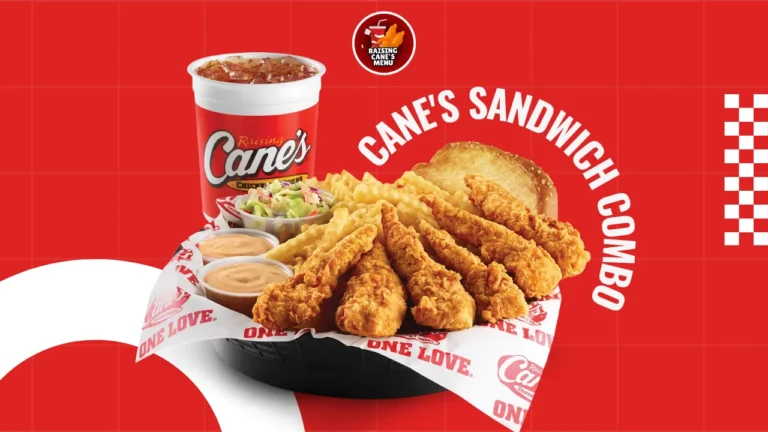
Graves’ vision was always to prioritize quality over quantity. By limiting the menu to chicken fingers, crinkle‑cut fries, coleslaw, Texas toast and Cane’s Sauce, the brand ensured that each component could be perfected. The “One Love” philosophy became more than a catchy slogan; it shaped hiring practices, training, community involvement and customer service. Employees are taught to take pride in delivering consistently fresh chicken and friendly service, and the company invests in local communities through fundraisers, sponsorships and scholarships.
Timeline of Key Events
| Year | Milestone | Supporting Details |
|---|---|---|
| Mid‑1990s | College business plan created | Todd Graves and Craig Silvey submit a business plan focused on a chicken finger restaurant and receive a low grade. |
| 1994–1995 | Funding efforts begin | Graves works 90‑hour weeks at a boilermaker job and then fishes in Alaska to save money. |
| 1996 | Construction of Cane’s 1 | Renovates an old building near LSU; uncovers mural that inspires logo. |
| Aug 28 1996 | Grand opening of “The Mothership” | First location opens at 3313 Highland Road; remains open until 3:30 a.m. due to high demand. |
| Late 1990s | Naming the brand | Originally considered “Sockeye’s”; renamed after Graves’ dog, Raising Cane. |
| 2000 | Start of franchising | Raising Cane’s begins franchising operations, expanding beyond Louisiana. |
| 2000s–2010s | Regional expansion | Chain opens additional restaurants across the United States, focusing on quality and community partnerships. |
| Today | National recognition | Raising Cane’s operates hundreds of locations and maintains its One Love philosophy, continuing to honor its founder’s vision. |
Lasting Impact and Community Ties
Raising Cane’s success isn’t just about chicken fingers—it’s about community. Graves’ decision to open the first restaurant near LSU fostered a deep connection to Baton Rouge. Over the years, the chain has sponsored LSU athletics and community events, supporting local schools and charities. This community engagement helps maintain loyalty and keeps the brand grounded in its Louisiana heritage.
Because Cane’s kept a simple menu and maintained consistent quality, it became known not just for food but for service. The original location is still referred to as the Mothership and remains a pilgrimage site for fans. Each new restaurant reflects the same values: friendly service, high‑quality chicken and a clean, inviting atmosphere.
FAQs
Raising Cane’s was founded by Todd Graves in August 1996. Graves and his college friend Craig Silvey created a business plan for a chicken finger–focused restaurant, but their professor gave it the lowest grade. Undeterred, Graves raised money through tough jobs and opened the first location at 3313 Highland Road in Baton Rouge.
Graves originally planned to name the restaurant “Sockeye’s,” inspired by the salmon he caught in Alaska. A friend suggested naming it after his Labrador retriever, Raising Cane, who frequently visited the construction site. Graves loved the idea, and the playful name stuck.
The inaugural location in Baton Rouge is nicknamed the Mothership because it’s the original source from which all other Cane’s locations stem. On opening day, the restaurant stayed open until 3:30 a.m. due to overwhelming demand. The Mothership still keeps late hours on weekends as a nod to that first night.
Yes. Graves’ philosophy was to focus on a single product chicken fingers and serve them with a few complementary sides. This limited menu allowed the brand to perfect its flavors and maintain consistent quality. The concept proved that doing one thing exceptionally well can lead to success, defying the initial skepticism from professors and bankers.
Raising Cane’s began franchising around the year 2000. While the company remains primarily corporate‑owned, selective franchising helped the chain expand outside Louisiana and reach new markets across the United States.
Conclusion
Raising Cane’s history is a testament to perseverance, vision and community support. From an unpopular business plan to a bustling restaurant empire, Todd Graves’ journey underscores the power of believing in your idea and working tirelessly to make it a reality. By focusing on quality, maintaining a simple menu and staying true to its Louisiana roots, Raising Cane’s has grown from a single location to a beloved brand with a loyal fan base. Understanding this origin story provides a deeper appreciation for every crispy bite of chicken and every late‑night visit to the Mothership.