
Raising Cane’s Coleslaw Recipe You Can Make at Home
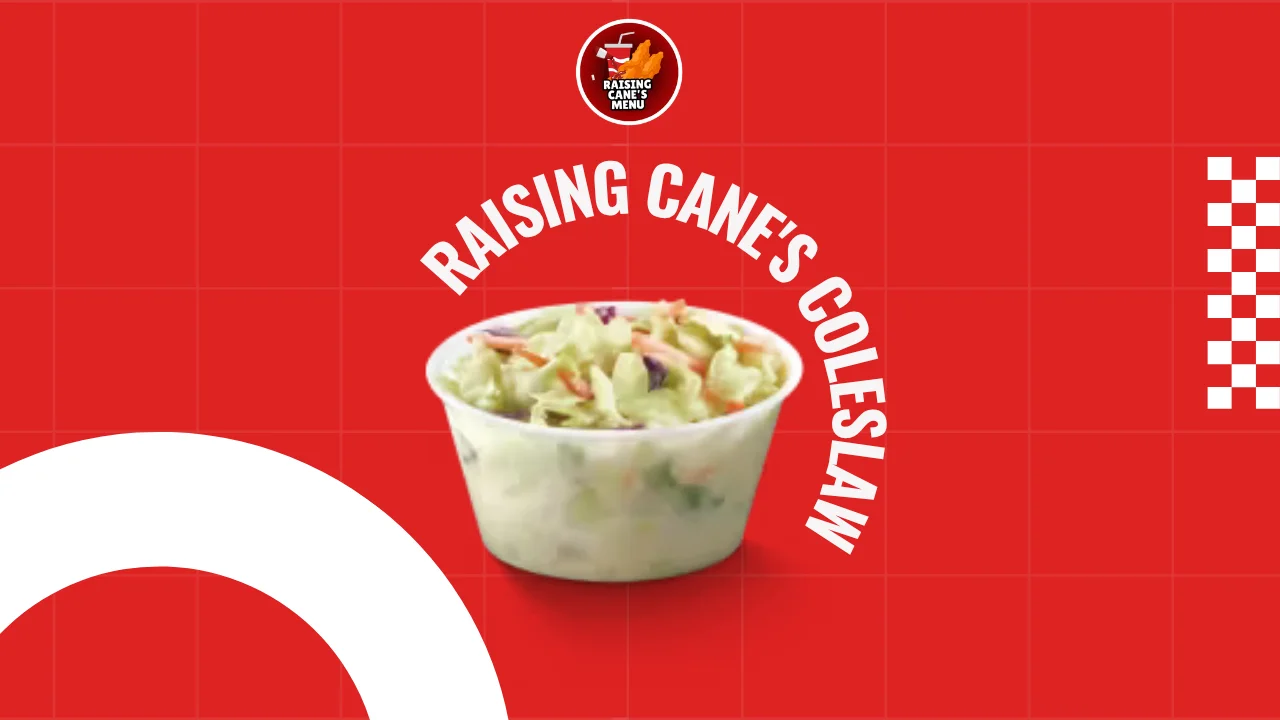
Few sides from a fast‑food chain inspire cravings like Raising Cane’s coleslaw. Its creamy, tangy flavor balances crispy chicken fingers and has won the hearts of families across the United States. This guide teaches you how to prepare the Raising Cane’s coleslaw recipe at home using fresh vegetables and pantry staples. You will also discover nutrition facts, expert tips, and answers to common questions so you can enjoy an authentic copycat slaw anytime.
Why Fans Love Raising Cane’s Coleslaw
Raising Cane’s coleslaw delivers a gentle crunch and a mild, creamy dressing rather than an overpowering vinegar punch. Shredded green cabbage and carrots stay crisp, while mayonnaise and sour cream create a rich texture. A hint of vinegar, sugar, mustard powder and white pepper adds subtle tang and sweetness without being too sharp.
The slaw pairs well with spicy chicken, barbecue or fish tacos because its flavor is mellow and balanced. Customers often describe it as tasting homemade, thanks to the fresh vegetables and dressing that does not turn watery when prepared correctly. Making it yourself allows you to capture that balance while tailoring the recipe to your taste.
Raising Cane‘s version falls between tangy, vinegar‑forward slaws and overly sweet deli versions. It achieves a harmony of creamy richness and subtle acidity that many store‑bought coleslaws lack. Because the recipe uses simple ingredients and avoids heavy spices, the natural sweetness of cabbage and carrots shines through. When you prepare this slaw at home, you can fine‑tune the sweetness or acidity to match your family’s preferences.
Ingredients and Equipment
Essential Ingredients
Gather these simple ingredients to recreate the coleslaw:
- 8 cups shredded green cabbage
- 1 cup shredded carrots
- ½ cup mayonnaise
- ¼ cup sour cream
- 1 tablespoon white vinegar
- 2 teaspoons sugar
- ½ teaspoon salt and ½ teaspoon white pepper
- ¼ teaspoon mustard powder
If you like an extra savoury note, grate a small amount of onion and add it to the mix. The ingredients above yield about eight servings of slaw.
Equipment
You need a large mixing bowl, a sharp knife or mandoline for shredding the cabbage and carrots, and a whisk for blending the dressing. Keeping your equipment and ingredients chilled helps maintain crunch and prevents the slaw from becoming watery.
Step‑by‑Step Instructions
Prepare the Vegetables
Quarter the cabbage, remove the core, and slice it into thin strips. Peel and shred the carrots using a box grater or mandoline. Combine the shredded cabbage and carrot in a large bowl.
Make the Dressing
In a separate bowl, whisk together the mayonnaise, sour cream, vinegar, sugar, salt, white pepper and mustard powder until smooth. For a brighter flavor, substitute lemon juice for the vinegar or combine both.
Assemble and Chill
Pour the dressing over the vegetables and fold gently until everything is evenly coated. Avoid overmixing, which can bruise the cabbage and draw out moisture. Cover the bowl and refrigerate for at least half an hour to let the flavors meld. Stir once more before serving.
Nutrition Facts and Serving Sizes
The calorie content of coleslaw varies by portion size and the amount of dressing. The table below shows approximate nutrition data for different serving sizes, based on available sources.
| Serving Size | Calories | Total Fat (g) | Saturated Fat (g) | Carbs (g) | Sugar (g) | Fiber (g) | Protein (g) | Sodium (mg) | Notes |
|---|---|---|---|---|---|---|---|---|---|
| 3 ⅛ oz (87 g) | 100 | 6 | 1 | 10 | 8 | 2 | 1 | 350 | Official Cane’s serving |
| 113 g serving | 150 | 9.9 | — | 15 | — | 2 | 0.9 | — | Estimated from calorie data |
| 1 cup (≈120 g) | 210 | 20 | 3 | 10 | 6 | 2 | 2 | 320 | Homemade copycat cup |
A small, official serving contains about 100 calories, 6 g of fat, and 10 g of carbohydrates. A standard 113 g portion holds roughly 150 calories and a higher fat content. A generous cup of homemade coleslaw has around 210 calories with 20 g of fat. These figures illustrate how increasing the dressing and portion size raises calories. To lighten your slaw, use part Greek yogurt or reduce sugar.
Tips and Variations
- Avoid watery slaw: Keep ingredients cold and do not salt the cabbage separately; salt draws moisture out and can lead to a soggy salad.
- Lighten it up: Substitute some mayonnaise with Greek yogurt or use vegan mayonnaise for a dairy‑free version.
- Customize flavors: Add diced jalapeño or a pinch of cayenne for heat, a splash of apple cider vinegar for extra tang, or a bit more sugar for sweetness. Grated onion or lemon juice are optional twists.
- Storage: Chill the slaw for at least 30 minutes before serving, and enjoy it within three to four days. Storing it longer causes the vegetables to lose crunch and the dressing to separate. Avoid freezing, as the texture suffers.
- Let it rest: Allowing the salad to rest in the refrigerator for at least half an hour mellows the flavors and softens the cabbage. This short resting period transforms the dressing from separate elements into a cohesive coating.
- Pairings: This slaw is not limited to fried chicken. It complements pulled pork, barbecued ribs, burgers, fish tacos and seafood such as shrimp po’ boys. Use it as a topping for sandwiches or serve it alongside grilled meats to add crunch and freshness.
- Adjust portions: To feed a crowd, simply double the listed ingredients. If you are cooking for two, halve the amounts to avoid waste. Because the recipe scales easily, you can make as much or as little coleslaw as you need.
FAQs
The primary ingredients—cabbage, carrots, mayonnaise and sour cream—are naturally gluten‑free. However, commercial kitchens may present cross‑contact risks, so people with celiac disease should use certified gluten‑free ingredients at home.
Yes. Lemon juice provides similar acidity and can fully or partially replace vinegar. It lends a bright citrus note that complements the creamy dressing.
Avoid salting the cabbage directly and keep the vegetables cold. When liquid does accumulate, gently drain it and stir the salad before serving.
Properly stored in an airtight container, homemade coleslaw stays fresh for three to four days. After that, the cabbage softens and the dressing separates.
Conclusion
Raising Cane’s coleslaw combines crisp shredded cabbage and carrots with a creamy dressing of mayonnaise, sour cream, vinegar and spices. Preparing it at home lets you tailor ingredients, control portion sizes and reduce calories. Follow this simple recipe, refer to the nutrition table, and apply the tips above to enjoy a faithful copycat slaw alongside your favorite meals without leaving your kitchen.