Raising Cane’s Chicken Finger Calories Full Nutrition Breakdown
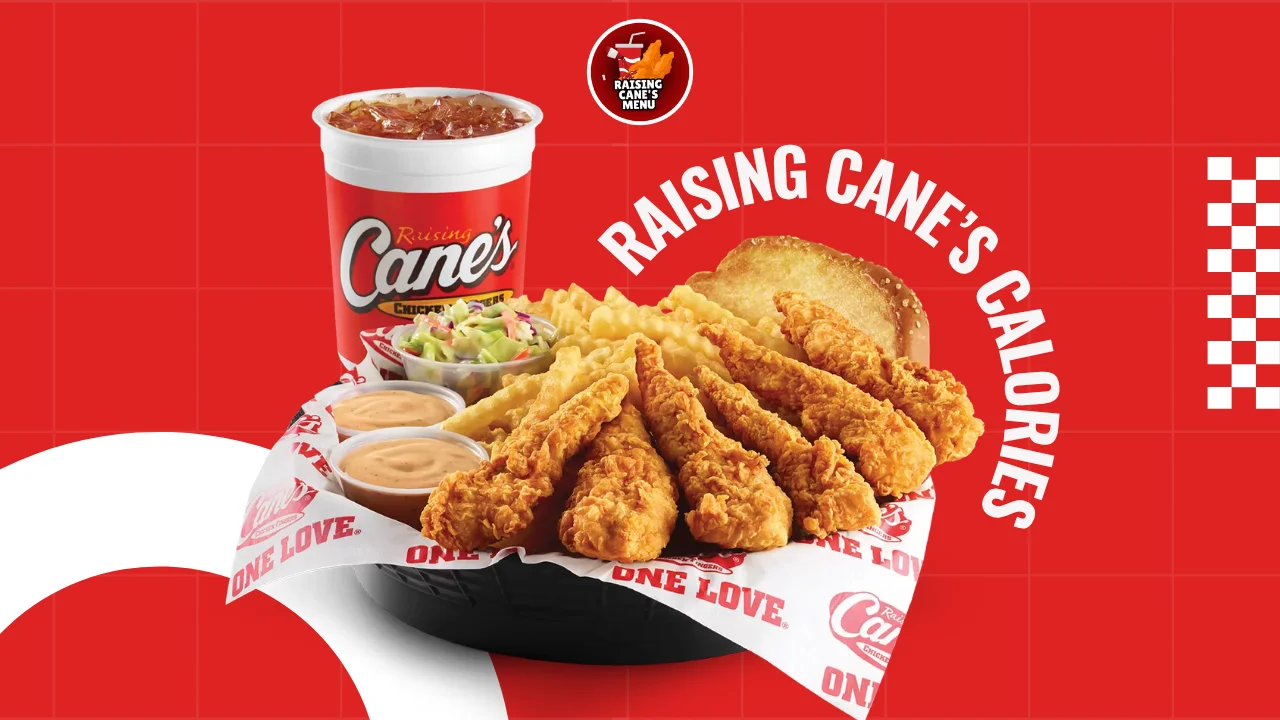
Raising Cane’s Chicken Finger calories matter to anyone who wants a tasty meal without losing track of nutrition. This guide breaks down each chicken finger, combo, side, and sauce so you know exactly what you’re eating. As a result, you can enjoy your favorite fried chicken while staying informed about calories, fat, carbs, and protein. Each section follows a structured and conversational tone to help you make confident dining decisions.
Understanding Raising Cane’s Chicken Finger Calories
What’s in One Chicken Finger?
A single Raising Cane’s chicken finger packs around 130 calories and delivers about 6–7 g of fat, 5–6 g of carbohydrates, and 13 g of protein. The official menu lists the calories at 130 per finger, which matches most nutrition databases.
According to sources like FastFoodNutrition and MyFoodDiary, each finger has 1 g of saturated fat, 0 g of trans fat, 40 mg of cholesterol, and 190–200 mg of sodium. These figures mean protein makes up roughly 40 % of the calories, while fat and carbohydrates supply the rest.
Protein, Fat, and Carbs Explained
The protein in each finger comes from the chicken itself. Thirteen grams of protein contribute to muscle repair and satiety without overloading calories. The fat content (six to seven grams) arises from the breading and frying process; saturated fat represents just one gram, while there is zero trans fat.
Carbohydrates remain modest at about five grams because the batter coating is thin. Consequently, a single chicken finger is an efficient protein source, but the fat content adds extra calories you need to consider.
Sodium and Cholesterol Considerations
Each finger contains around 40 mg of cholesterol and 190–200 mg of sodium. These values are moderate for a fried item, yet they can add up quickly in larger servings. Therefore, people monitoring sodium or cholesterol intake should factor in extra sauce, sides, and drinks when ordering.
Nutrition Facts for Popular Raising Cane’s Combos
Combo Calorie Comparison
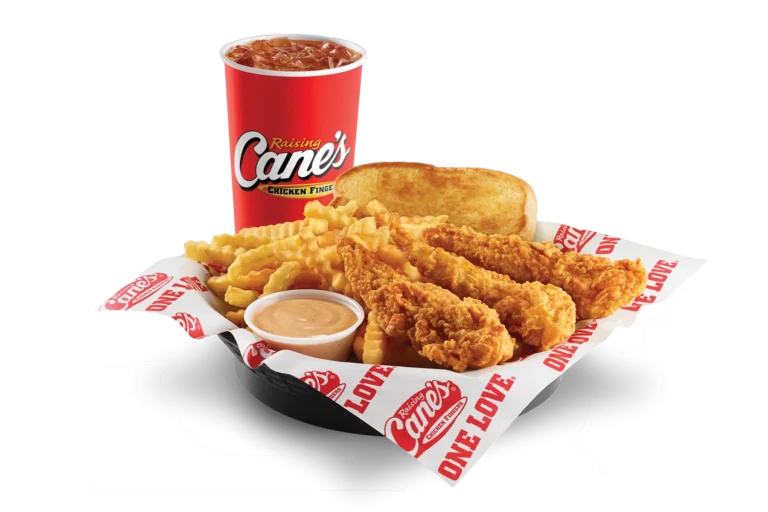
Raising Cane’s offers several combos that bundle chicken fingers, fries, toast, coleslaw, sauce, and drinks. The calories vary widely depending on portion size and beverage choice. The table below summarizes the ranges for common combos using current nutrition data.
| Combo | Calories (approx.) | Total Fat (g) | Sugar (g) | Protein (g) |
|---|---|---|---|---|
| 3 Finger Combo® | 1,050–1,480 | 52–61 | 20–33 | 24 |
| Box Combo® (4 fingers) | 1,290–1,720 | 63–91 | 24–36 | 39 |
| Caniac™ Combo (6 fingers) | 1,840–2,470 | 80–110 | 28–40 | 46 |
| Sandwich Combo | 1,140–1,570 | 54–67 | 23–36 | 23 |
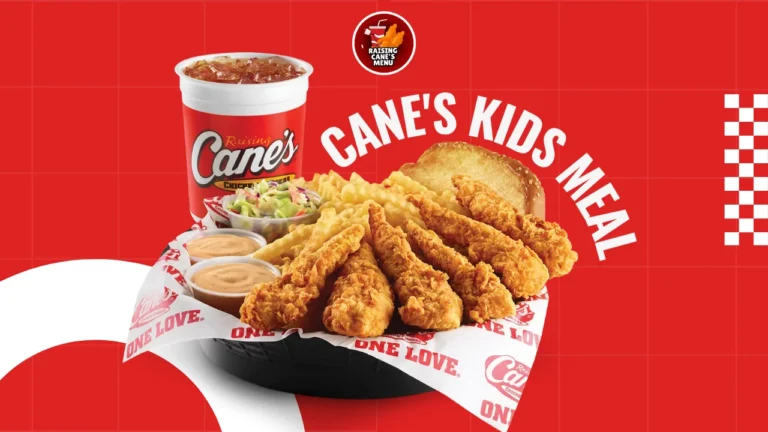
| Kids Combo (2 fingers) | 760–990 | 40–52 | 15–21 | 16 |
These calorie ranges reflect variations in drink choices and extra sauce. For example, the Caniac Combo contains six chicken fingers, fries, coleslaw, Texas toast, two sauce cups, and a large drink; this explains why it reaches nearly 2,500 calories. Meanwhile, the Kids Combo cuts portions down to two fingers and a small drink, making it a lighter option with about 760–990 calories.
Protein and Fat Across Combos
Across combos, protein scales with the number of chicken fingers. The Caniac Combo provides around 46 g of protein, while the Box Combo offers 39 g, and the 3 Finger Combo includes 24 g. However, fat content escalates rapidly due to fries and toast: the Box Combo has 63–91 g of total fat, while the Caniac reaches up to 110 g. Consequently, splitting a combo or opting for fewer sides helps control fat intake.
Sugar and Carbs in Combos
Sugar counts come primarily from beverages and coleslaw. The 3 Finger Combo contains 20–33 g of sugar, while the Box Combo has 24–36 g and the Caniac has 28–40 g. Choosing unsweetened tea or water instead of soda or lemonade can lower these numbers dramatically. Therefore, beverage selection is a simple way to reduce sugar and calorie totals.
Calories in Extras and Sides
Individual Items
Beyond the combos, extras and sides contribute additional calories. Each item’s values below come from current nutrition guides.
| Item | Calories | Total Fat (g) | Carbohydrates (g) | Sugars (g) | Protein (g) |
|---|---|---|---|---|---|
| Chicken Finger (1 piece) | 130 | 6–7 | 5–6 | 0 | 13 |
| Crinkle-Cut Fries (5.1 oz) | 400 | 17–20 | 50 | 0 | 4–6 |
| Texas Toast (1.7 oz) | 150 | 4–7 | 23 | 2–4 | 3–4 |
| Coleslaw (3.1 oz) | 100 | 6–9 | 10–12 | 4 | 1 |
| Cane’s Sauce® (1.5 oz) | 190 | 18–19 | 6 | 1 | 0 |
Fries deliver the largest calorie load among sides with roughly 400 calories and nearly 50 g of carbs. Texas toast adds around 150 calories with moderate fat and carbs. Coleslaw offers a lighter side at around 100 calories, though it contains some sugar due to its dressing. Cane’s Sauce is calorie-dense at about 190 calories per 1.5 oz and is mostly fat. Consequently, ordering extra sauce can significantly raise your meal’s calorie count.
Drinks and Their Impact
Beverages can greatly influence the total calories of your meal. Regular lemonade (22 oz) contains about 290 calories and 74 g of sugar, while sweet tea (22 oz) has around 230 calories and 58 g of sugar. Unsweetened tea provides zero calories and sugars. A half tea/half lemonade mix lands at roughly 260 calories. Therefore, choosing unsweet tea or water dramatically reduces sugar and calorie intake.
Comparing Tailgate Packs and Party Platters
Tailgate Pack Calories
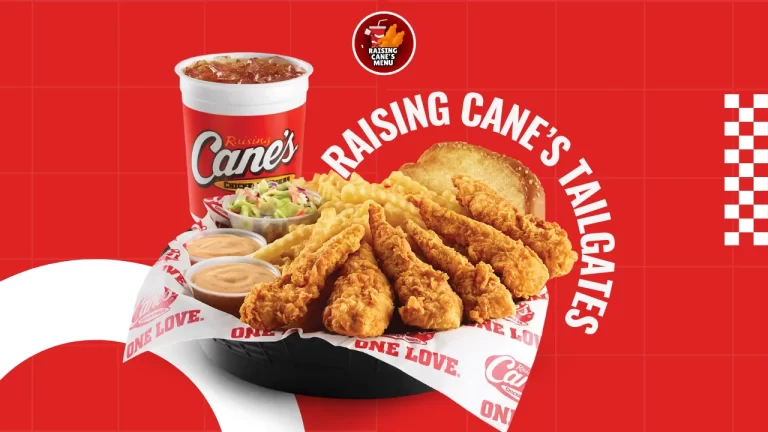
Raising Cane’s tailgate packs provide large quantities of chicken fingers for gatherings. The caloric totals reflect the number of pieces plus multiple sauce cups. According to nutrition data, a 25‑finger tailgate has roughly 3,250 calories, while a 50‑finger pack contains about 6,500 calories. A 75‑finger pack comes in at 9,750 calories, and the 100‑finger pack tops out around 13,000 calories. Each additional 25‑finger increment adds roughly 3,250 calories. When you factor in sauce cups—each at 190 calories—these totals climb even higher. Therefore, large gatherings should plan portion sizes carefully to avoid overconsumption.
Serving Sizes and Context
Each tailgate pack feeds a specific number of people: the 25‑finger pack serves six to eight guests, while the 100‑finger pack feeds up to 29 people. The nutritional data assumes no leftover pieces, but real servings may vary based on appetite. Consequently, dividing the pack evenly among guests can help moderate individual intake. Additionally, providing vegetable sides or lighter dips can balance the meal.
Health Considerations & Allergens
Common Allergens in Raising Cane’s Meals
Raising Cane’s chicken fingers are breaded and fried, which introduces major allergens like egg, milk, soy, and wheat. Fries are cooked in shared fryers, so cross‑contact with allergens is possible. Cane’s Sauce contains anchovies, adding a fish allergen, and also contains eggs and soy. The Texas toast uses garlic butter, introducing dairy. Consequently, guests with food allergies should communicate with staff, request glove changes, and avoid cross‑contact.
Gluten Considerations
Raising Cane’s does not have a dedicated gluten‑free kitchen. Wheat flour enters the fryer with every batch of chicken fingers, so cross‑contamination is unavoidable. Although coleslaw itself contains no gluten and unsweetened tea has zero calories, anyone with celiac disease or strong gluten sensitivity should exercise caution and consider alternative options.
Sodium, Fat, and Sugar Concerns
High sodium and fat levels can be a concern in fast food. The Box Combo can contain over 2,280 mg of sodium, and the Caniac Combo can exceed 3,340 mg. Likewise, saturated fat accumulates quickly with multiple pieces of fried chicken and buttery toast. Choosing fewer sauce cups, skipping fries, or splitting combos with friends helps moderate these numbers. Furthermore, opting for unsweet tea cuts sugar intake drastically.
Tips for Healthier Choices at Raising Cane’s
Balance Your Order
Start with a smaller combo like the 3 Finger Combo or Kids Combo to control portion sizes. Then, consider swapping fries for coleslaw or an extra finger. This swap reduces carbohydrate and fat content and adds a serving of vegetables. Additionally, avoid ordering extra Cane’s Sauce, which adds 190 calories per cup.
Choose Lower-Calorie Drinks
Beverages often account for hidden calories. Selecting unsweetened iced tea or water instead of lemonade or soda cuts 200–300 calories from your meal. If you prefer a flavored drink, mix half sweet tea with half unsweet tea to reduce sugar while retaining taste.
Share or Save Leftovers
Large combos like the Caniac are designed for hearty appetites. Sharing a combo or saving half for later helps avoid eating over 2,000 calories in one sitting. Bringing leftovers home also stretches your budget and reduces waste.
Mind the Sauce
Cane’s Sauce is delicious, but it adds a significant caloric punch. Limiting yourself to one sauce cup or substituting mustard or hot sauce can reduce calories and fat. Because the sauce contains eggs and anchovies, using alternatives also avoids allergens. Consequently, mindful dipping can make your meal healthier.
FAQs
A single chicken finger contains about 130 calories with approximately 6–7 g of fat, 5–6 g of carbs, and 13 g of protein.
The Caniac Combo has the highest calorie range, with 1,840–2,470 calories depending on your drink and extras.
Yes, one 1.5‑oz cup of Cane’s Sauce has about 190 calories and is mostly fat. Extra cups quickly increase the total calories of your meal.
Choose a smaller combo, swap fries for coleslaw, pick unsweetened tea, and limit Cane’s Sauce. Sharing a larger combo also reduces portion sizes.
Raising Cane’s does not guarantee gluten‑free meals because chicken fingers and fries are cooked in shared fryers with wheat. Coleslaw is gluten‑free, but cross‑contact may occur.
Conclusion
Raising Cane’s chicken fingers deliver a delicious and satisfying meal, yet the calories add up quickly when you include sides, sauce, and drinks. A single finger has about 130 calories, but combos can range from 760 to 2,470 calories. Large tailgate packs scale into the thousands of calories, so portion control is essential. By understanding the nutrition facts, choosing smaller combos, selecting lighter sides, and opting for low‑calorie drinks, you can enjoy Raising Cane’s while staying mindful of your health. Check Also: Raising Cane’s Family Pack Menu 2026