Complete Raising Cane’s Allergen Menu Guide (2026)
Fast food can be tricky when you have food allergies or dietary restrictions. Raising Cane’s keeps its menu small, yet navigating which items contain dairy, eggs, gluten or soy still requires careful attention. This 2026 Raising Cane’s allergen menu guide explains how the chain labels allergens, breaks down each menu item’s ingredients, and offers practical tips for ordering safely. Whether you need to avoid specific allergens or just want to understand the menu better, this comprehensive overview will help you dine with confidence.
Understanding the Raising Cane’s Allergen Menu
Raising Cane’s official allergen guide highlights common allergens such as dairy, eggs, soy, wheat (gluten) and fish. Even though many items do not list certain allergens in their ingredients, cross‑contact can occur because the kitchen uses shared equipment. For example, fries are cooked in the same fryer as breaded chicken, which means trace amounts of milk, egg or wheat might transfer. Therefore, the allergen menu does not guarantee a completely allergen‑free meal; rather, it indicates known ingredients and potential risks.
Key allergens considered
- Dairy (milk): Found in butter, cheese or milk‑based sauces. Texas toast and coleslaw often contain milk or butter. Even items that do not list milk can come into contact with dairy through shared fryers.
- Eggs: Eggs appear in mayonnaise‑based dressings, batters and sauces. Chicken fingers and Cane’s sauce include egg. Coleslaw dressing is also mayonnaise‑based, so it contains egg.
- Gluten (Wheat): Wheat is present in breaded chicken, Texas toast and buns. Fries are made from potatoes, but they share a fryer with wheat‑coated items, so gluten traces may be present.
- Soy: Soy shows up in sauces, oils and some dressings. Cane’s sauce and honey mustard contain soy. Soybean oil can also be part of the frying oil.
- Fish: Worcestershire sauce in Cane’s sauce contains anchovy, so fish is an unexpected allergen. This is important for fish‑allergic customers.
Recipes may vary by location and cross‑contact is possible, always check your local allergen sheet and speak to the staff about your specific needs. Now let’s examine each menu item’s allergen profile.
Allergen Breakdown by Menu Item
Raising Cane’s offers a core menu of chicken fingers, fries, toast, coleslaw, sauces and drinks. The following sections explain which allergens are present in each item and highlight safer alternatives where available.
Chicken Fingers
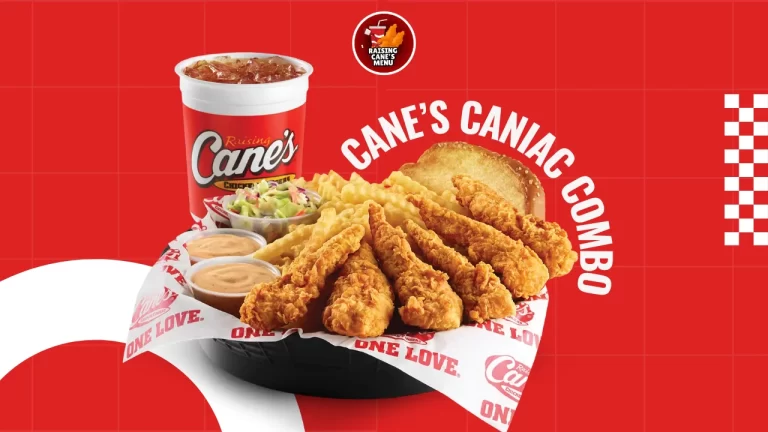
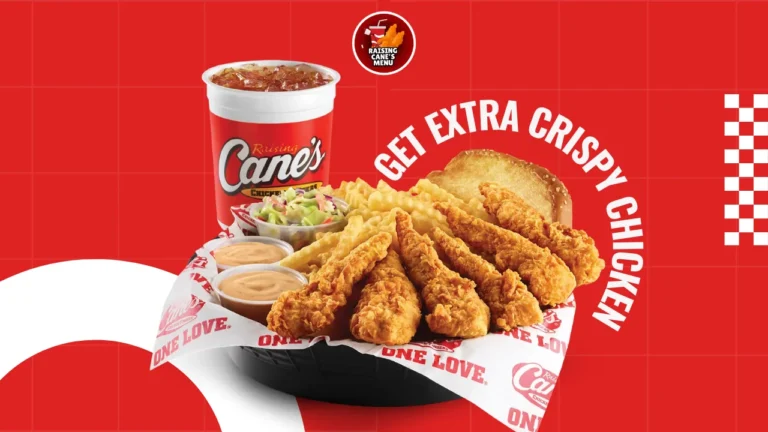
Raising Cane’s chicken fingers are breaded and fried to order. The breading contains wheat flour, milk and eggs, and the frying oil may include soy. Therefore, chicken fingers contain wheat (gluten), milk, egg and soy. Because they are cooked in shared fryers, cross‑contact with other allergens such as fish or nuts cannot be ruled out. If you require a breading‑free option, ask for naked chicken fingers; these unbreaded tenders do not contain wheat, dairy or soy by ingredients but are still fried in the same oil.
Crinkle‑Cut Fries
The fries are made from potatoes and seasoned with salt. By ingredients they do not contain dairy, egg, wheat, soy or fish. However, they are fried in the same oil as breaded chicken, which means trace amounts of gluten, milk or egg may be present. If cross‑contact is a concern, ask staff if they can cook your fries in a separate fryer, but availability varies by location.
Texas Toast
Texas toast is a thick slice of enriched wheat bread brushed with butter and grilled. It contains wheat and milk and is often cooked with soybean oil, so soy exposure is possible. It does not contain egg. Customers avoiding gluten or dairy should skip the toast.
Coleslaw
Raising Cane’s coleslaw features shredded cabbage and carrots tossed in a creamy dressing. The dressing uses mayonnaise, sugar, vinegar and spices, which means it contains egg. While many sources list coleslaw as containing milk, the primary allergens are eggs and possibly soy if the mayonnaise includes soybean oil. Nonetheless, some guides flag it as containing dairy due to cross‑contact with milk‑based items. If you have an egg or soy allergy, avoid coleslaw; if you are dairy‑sensitive, consult the local allergen sheet.
Cane’s Sauce
The signature Cane’s sauce is mayonnaise‑based and includes ketchup, Worcestershire sauce and spices. It contains eggs and soy and may contain dairy due to the mayonnaise and possible milk ingredients in Worcestershire sauce. Worcestershire sauce also contains anchovy, which introduces fish as an allergen. If you have egg, soy, dairy or fish allergies, skip Cane’s sauce and choose ketchup or hot sauce instead.
Honey Mustard
Honey mustard is not listed on the official menu at every location, but where available it contains mayonnaise (egg) and dairy ingredients. It is not safe for those with milk or egg allergies.
Ketchup and Louisiana Hot Sauce
The standard ketchup packets and Louisiana hot sauce contain no major allergens. They are safe substitutes for customers avoiding dairy, eggs, gluten or soy. Always ask for packets to avoid cross‑contact.
Drinks
Raising Cane’s beverage lineup includes fresh lemonade, sweet tea, unsweet tea and assorted fountain drinks. These drinks contain no dairy, eggs, gluten, soy or fish. They are prepared separately from food items, making them safe choices for most people with allergies.
Allergen Summary Table
Below is a quick‑reference table summarizing which allergens are present in each menu item. “Yes” means the allergen is in the ingredients, “No” means it is not by ingredients, and “Cross” indicates no allergen in the recipe but cross‑contact risk due to shared equipment.
| Menu Item | Milk | Egg | Wheat/Gluten | Soy | Fish | Notes |
|---|---|---|---|---|---|---|
| Chicken Fingers | Yes | Yes | Yes | Yes | No | Breaded; fried in shared oil |
| Naked Chicken Fingers | Cross | Cross | Cross | Cross | No | Unbreaded; still fried in shared oil |
| Crinkle‑Cut Fries | No | No | Cross | Cross | No | No allergens in ingredients; shared fryer |
| Texas Toast | Yes | No | Yes | Cross | No | Buttered wheat bread |
| Coleslaw | Cross (milk cross‑contact) | Yes | No | Cross | No | Mayo dressing; egg present |
| Cane’s Sauce | Cross (milk cross‑contact) | Yes | No | Yes | Yes | Contains egg, soy, anchovy |
| Honey Mustard | Yes | Yes | No | Cross | No | Contains dairy and egg |
| Ketchup | No | No | No | No | No | Safe condiment |
| Louisiana Hot Sauce | No | No | No | No | No | Safe condiment |
| Lemonade/Tea/Drinks | No | No | No | No | No | Safe beverages |
Tips for Ordering Safely at Raising Cane’s
Even with a clear allergen menu, cross‑contact remains a concern. Use these strategies when ordering:
- Communicate clearly. Tell the cashier or manager exactly which allergens you need to avoid. Raising Cane’s staff can prepare modifications, such as naked chicken fingers or leaving off sauce, but only if they know your needs.
- Order items separately. Combos include multiple foods that may touch each other. Ordering chicken fingers, fries and toast separately reduces contact between allergens.
- Request sauce on the side. Keeping sauce packets separate helps prevent accidental contamination from eggs, dairy or soy.
- Visit during off‑peak hours. Staff may have more time to accommodate special requests when the restaurant is less busy.
- Carry a note card. Writing down your allergens ensures nothing is forgotten and makes communication clearer for busy staff.
- Verify with each visit. Menus and procedures change over time. Always ask for the most recent allergen information and confirm that your meal will be prepared safely.
FAQs
No official menu items are gluten‑free because wheat flour coats the chicken and Texas toast, and all fried items share a fryer with wheat‑coated foods. Naked chicken fingers and fries contain no gluten by ingredients, but cross‑contact risk remains. If you have celiac disease, discuss preparation procedures with staff or consider other dining options.
Most copycat recipes suggest Cane’s sauce contains no milk, but the official allergen guides flag it as containing dairy due to the mayonnaise base and possible milk in Worcestershire sauce. It definitely contains eggs, soy and fish (anchovy). If you have milk, egg or fish allergies, skip Cane’s sauce and choose ketchup or hot sauce.
By ingredients, the fries are free of dairy and egg. They are cooked in the same oil as chicken fingers, which introduces cross‑contact with milk, egg and wheat. Those with severe allergies should avoid them or ask about dedicated fryers.
The core menu focuses on chicken fingers, which contain animal products. Some locations will prepare unbreaded chicken fingers (called “naked” fingers), which eliminate dairy and gluten ingredients but are still fried in shared oil. There are no plant‑based protein alternatives. For vegan diners, fries and drinks are the only potential options, but cross‑contact remains a concern.
Conclusion
Navigating food allergies at Raising Cane’s requires understanding both ingredients and preparation methods. The 2026 Raising Cane’s allergen menu shows that chicken fingers, Cane’s sauce, Texas toast, coleslaw and honey mustard all contain at least one major allergen. Fries and drinks are free of core allergens by ingredients but share equipment with allergen‑containing foods, so cross‑contact is likely.
The safest options for customers with allergies are unbreaded chicken fingers, plain fries (when cooked separately), and basic condiments or drinks. Always communicate your needs clearly, double‑check the latest allergen guide and exercise caution when dining. With these precautions, you can enjoy a meal at Raising Cane’s while minimizing allergen exposure.